What this measurement describes
Distance measures separation between positions. Comparisons count linear spans; they do not turn the gap into a physical object.
Stellar · Distance
LANDMARK 088 / 121
The average centre-to-centre distance separating Earth and the Moon.
WonderAll the solar system’s planets could fit side-by-side inside this gap with room left over.
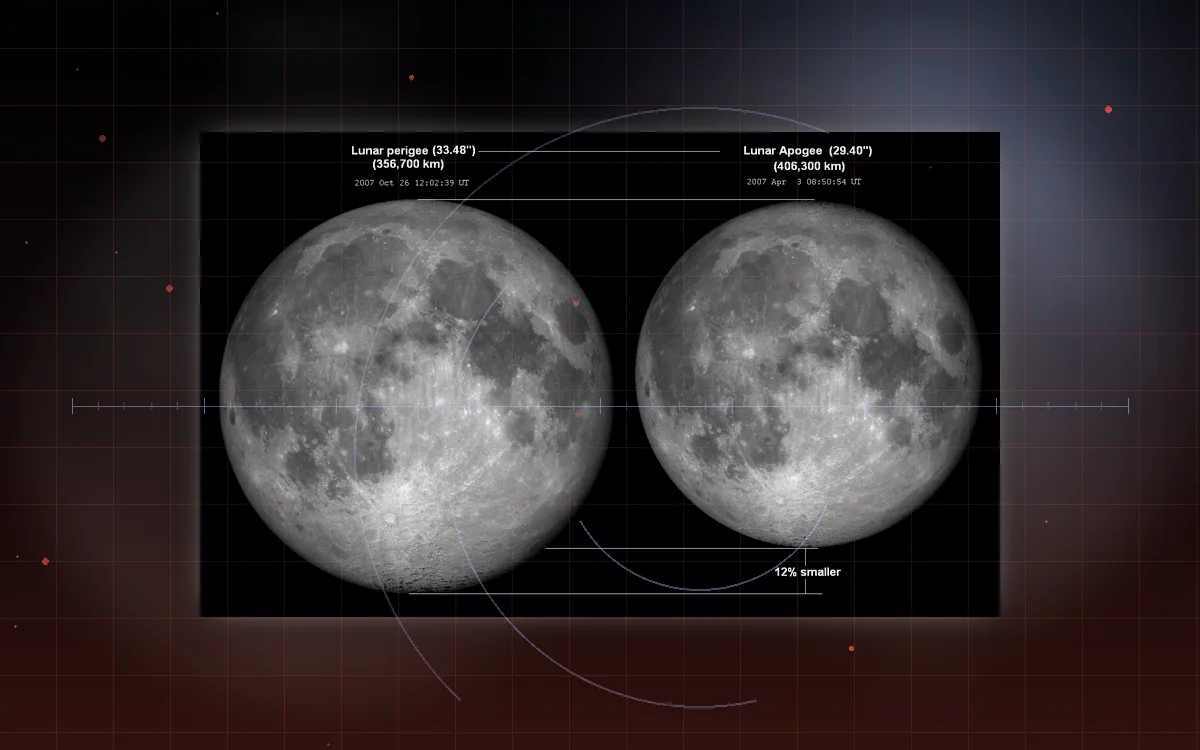 109metres
Scale context
Wonder · Explore · Deep
Distance measures separation between positions. Comparisons count linear spans; they do not turn the gap into a physical object.
The physical boundary or individual size can change. Vastoscope uses a documented reference value to make comparison possible.
Vastoscope compares the SI value in metres for this mean centre-to-centre distance. A ratio is mathematically valid as a linear span, while the interface identifies when the two selected definitions differ.
Familiar scale bridges
These anchors are selected by logarithmic proximity from familiar human, engineered, planetary and cosmic references.
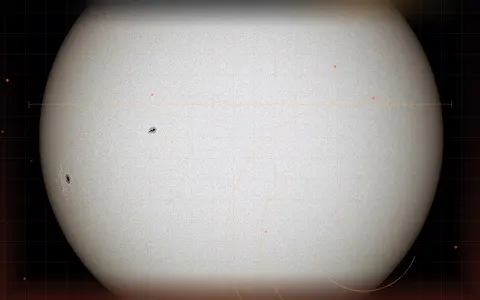 Stellar · StarsMoon distance ↔ Sun3.62×
The star containing almost all the solar system’s mass and powering nearly every surface ecosystem.
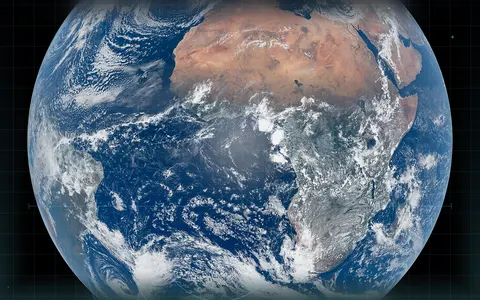 Planetary · Solar systemMoon distance ↔ Earth30.17×
Our ocean world, measured by mean diameter — the anchor for familiar planetary comparisons.
 Monumental · EarthMoon distance ↔ Mount Everest43,441×
Earth’s highest mountain above mean sea level, shown as vertical elevation.
Evidence trail
Vastoscope keeps the displayed number separate from its measurement type and certainty. Representative and model-dependent values are intentionally labelled instead of presented as exact edges.
Nearby on the logarithmic rail
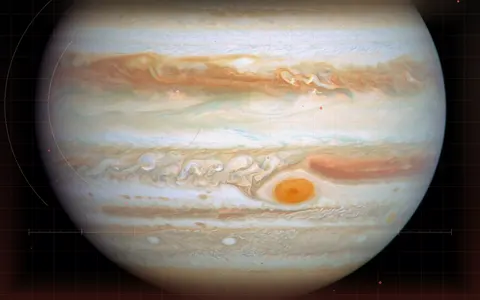 Stellar · Solar systemJupiter139,820 km
The largest planet, with storms and cloud bands wrapped around a rapidly rotating globe.
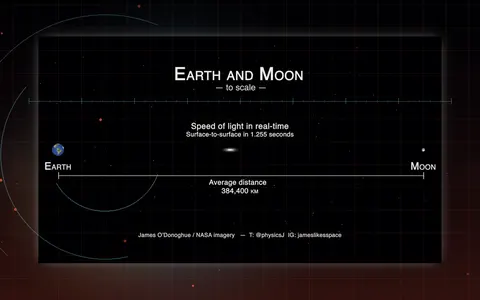 Stellar · DistanceOne light-second299,792 km
The distance light covers in exactly one second in vacuum.
Stellar · StarsThe Sun1.393 million kmThe star containing almost all the solar system’s mass and powering nearly every surface ecosystem.
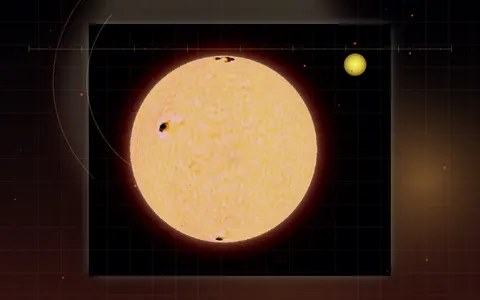 Stellar · StarsPollux≈12.25 million km
An orange giant star that shows how dramatically stars expand after core hydrogen runs low.
Next signal
Continue by scientific relationship, narrative journey or a deliberately distant scale jump.