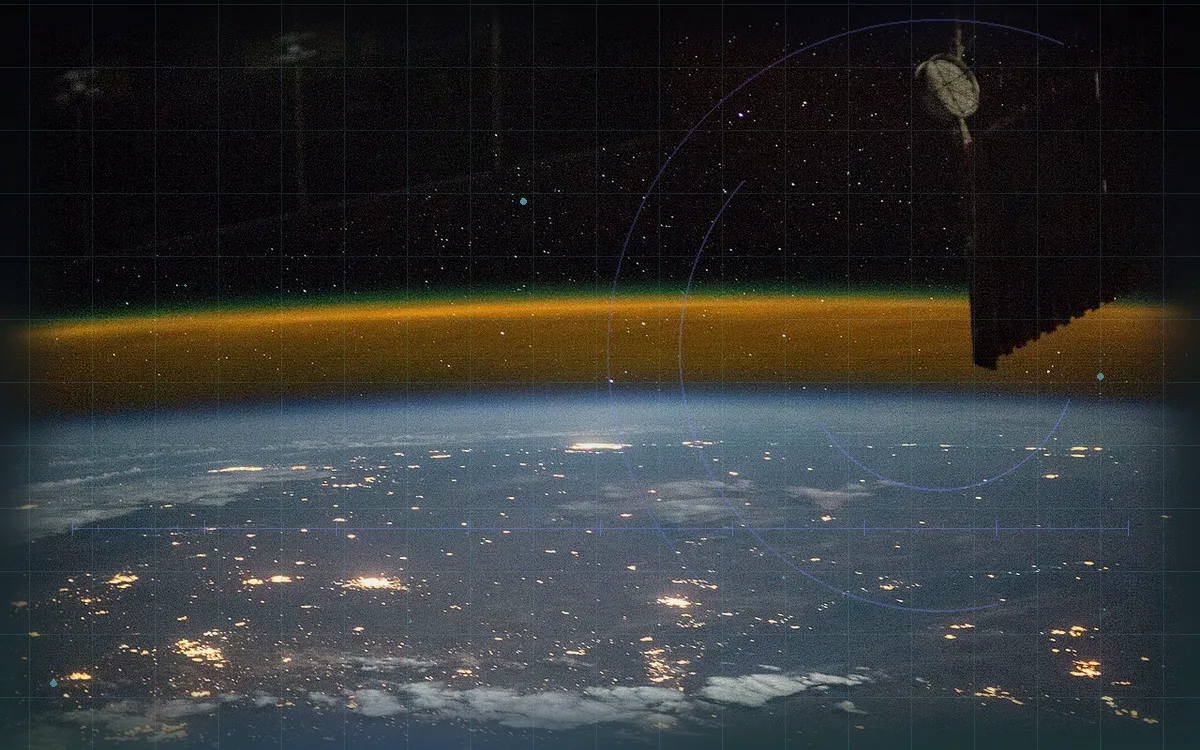
Planetary · Atmosphere
Kármán line
100 km highA widely used conventional boundary where aeronautical flight gives way to astronautics.
Planetary ↔ Monumental
Compare a defined altitude with a measured summit height while keeping their reference levels explicit.
As vertical spans, Kármán line is 11.3× Mount Everest.
A widely used conventional boundary where aeronautical flight gives way to astronautics.
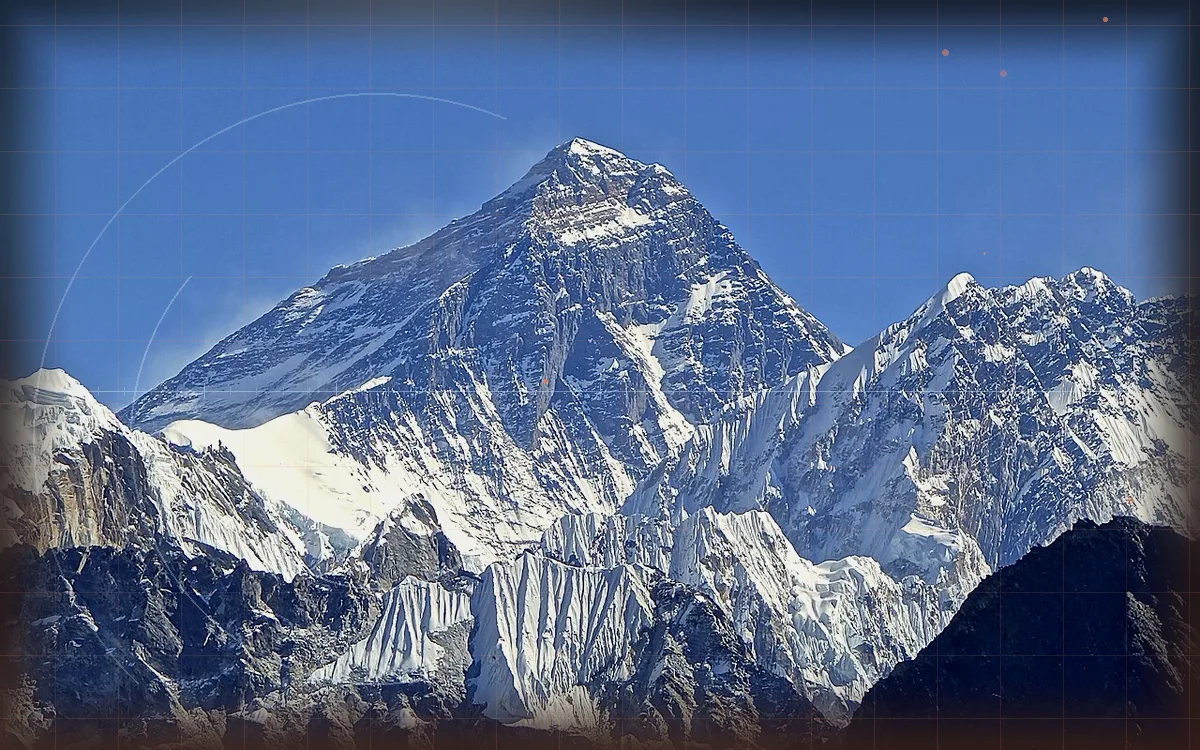
Earth’s highest mountain above mean sea level, shown as vertical elevation.
The answer
About 11.3× Mount Everest linear spans fit across the selected measurement of Kármán line.
The metre values can be divided as linear spans, but the two entries do not describe identical kinds of boundary.
Representative, variable and model-dependent values are useful for perspective only when their status remains visible.
Measurement ledger
| Landmark | Value | Measurement | Certainty | Source |
|---|---|---|---|---|
| Kármán line | 100 km high | conventional space boundary | Defined | Fédération Aéronautique Internationale ↗ |
| Mount Everest | 8,848.86 m | summit elevation above sea level | Measured | Government of Nepal — Mountaineering facts 2025 ↗ |