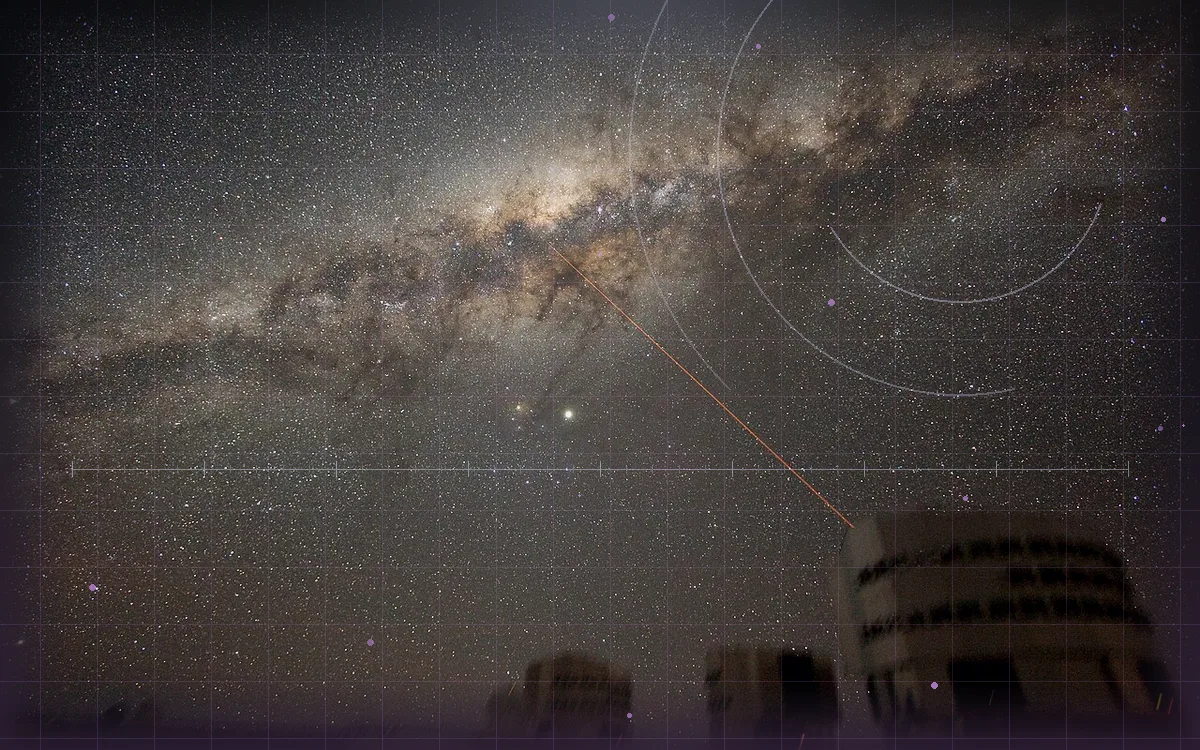
Galactic · Galaxies
Milky Way
≈100,000 light-yearsOur barred spiral galaxy, containing the Sun and hundreds of billions of stars.
Galactic ↔ Galactic
Visible galaxy diameters are diffuse estimates, but the comparison gives useful context for the Local Group’s two dominant spirals.
Using the stated linear measurements, Andromeda Galaxy is 2.199× Milky Way.
Our barred spiral galaxy, containing the Sun and hundreds of billions of stars.
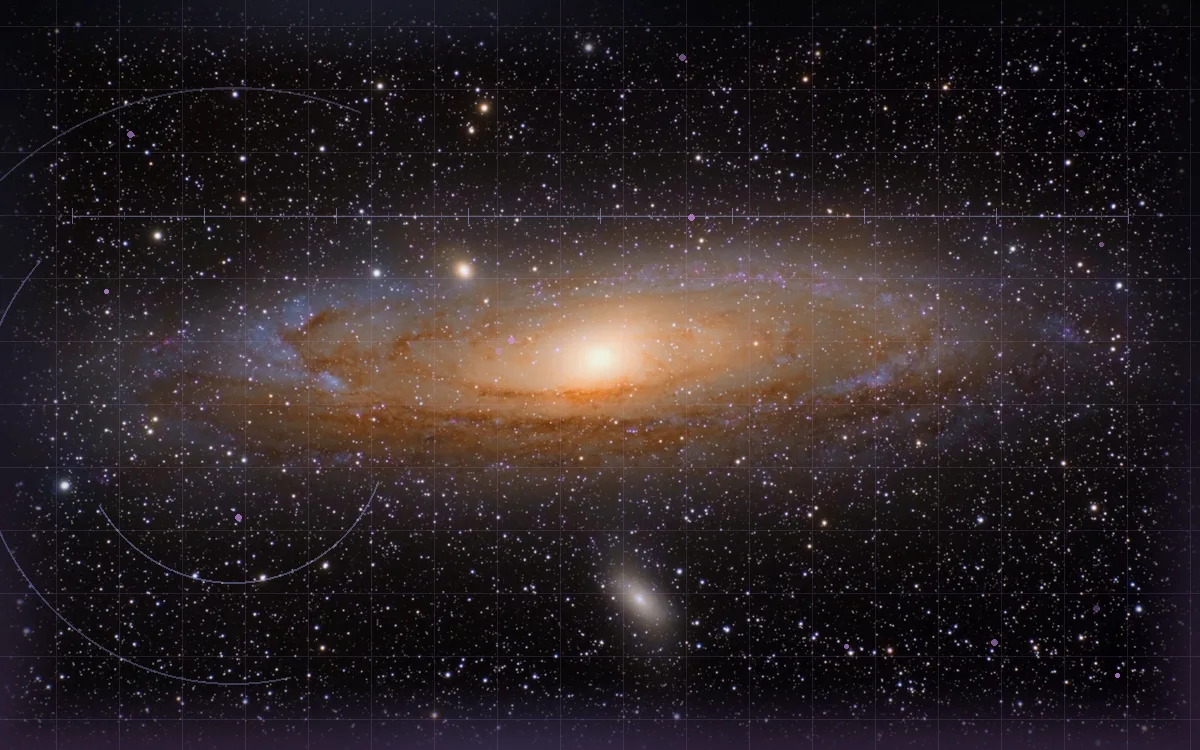
The nearest large spiral galaxy, approaching the Milky Way within the Local Group.
The answer
About 2.199× Milky Way linear spans fit across the selected measurement of Andromeda Galaxy.
The metre values can be divided as linear spans, but the two entries do not describe identical kinds of boundary.
Representative, variable and model-dependent values are useful for perspective only when their status remains visible.
Measurement ledger
| Landmark | Value | Measurement | Certainty | Source |
|---|---|---|---|---|
| Milky Way | ≈100,000 light-years | representative stellar-disc diameter | Model-dependent | NASA Science ↗ |
| Andromeda Galaxy | ≈220,000 light-years | representative extended-disc diameter | Model-dependent | NASA Science ↗ |