04 · Stars · 7 min
How stars become impossible
Follow stellar scale from a nursery through ordinary stars, giants, remnants and black holes.
-
01
Opening coordinate · Interstellar · Nebulae
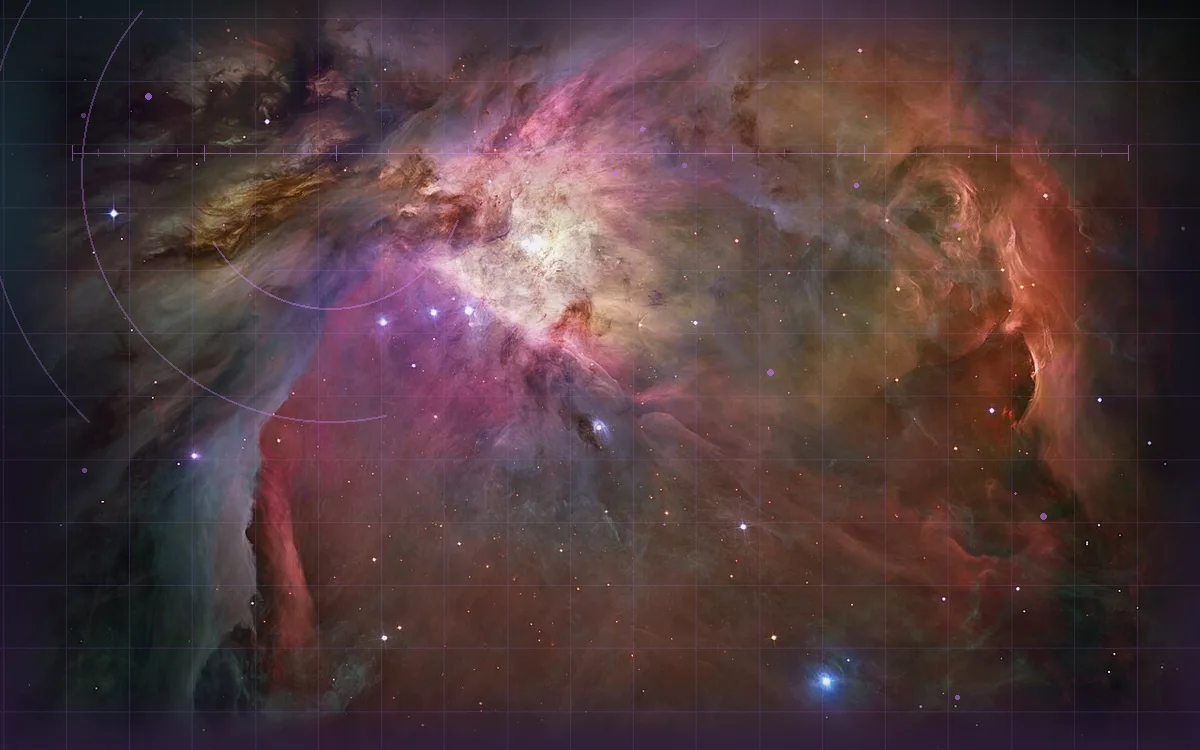
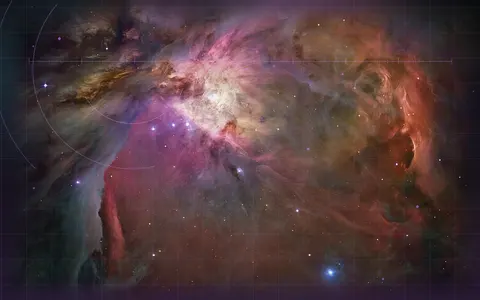
A stellar nursery
Orion Nebula · ≈24 light-yearsClouds of gas and dust collapse into dense cores that can ignite new stars.
 101711% complete
Image source ↗ -
02
First threshold · Stellar · Stars
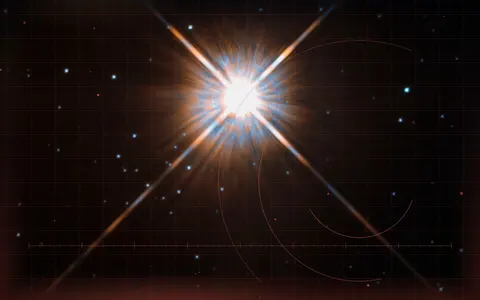
A long-lived red dwarf
Proxima Centauri · ≈214,000 kmSmall stars burn fuel slowly and may survive for far longer than the current age of the universe.
 10822% complete
Image source ↗ -
03
Perspective shift · Stellar · Stars
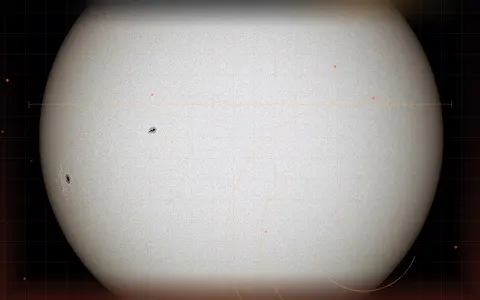
A middle-sized star
The Sun · 1.393 million kmThe Sun feels enormous beside Earth but is modest beside many evolved stars.
 10933% complete
Image source ↗ -
04
Perspective shift · Stellar · Stars
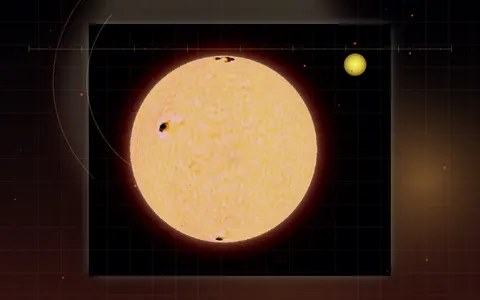
A star begins to swell
Pollux · ≈12.25 million kmWhen core hydrogen runs low, a star can expand into a giant.
 101044% complete
Image source ↗ -
05
Deep crossing · Stellar · Stars
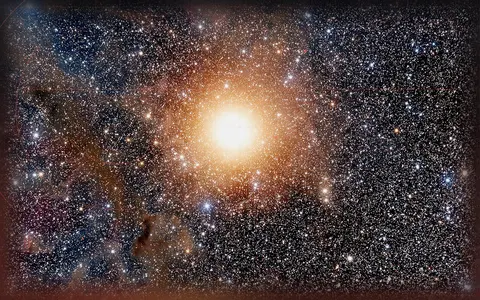
A red supergiant
Betelgeuse · ≈1 billion kmMassive evolved stars develop huge, diffuse surfaces and lose material into space.
 101256% complete
Image source ↗ -
06
Revelation · Planetary · Stars
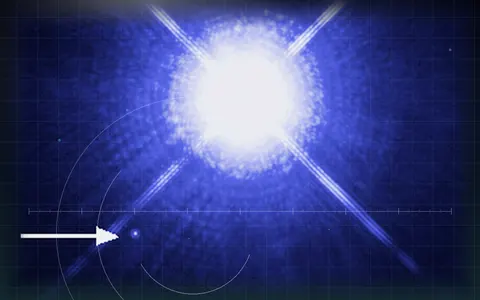
One possible remnant
White dwarf · ≈12,700 kmA Sun-like star can leave an Earth-sized white dwarf after shedding its outer layers.
 10767% complete
Image source ↗ -
07
Revelation · Planetary · Stars
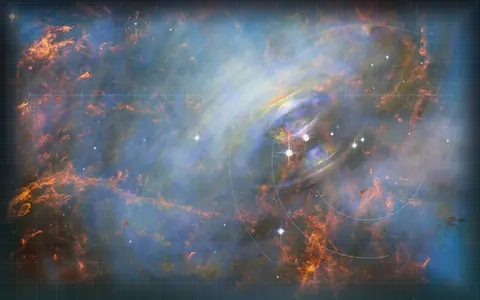
A city-sized stellar core
Neutron star · ≈20 kmA more massive star may collapse into a neutron star only tens of kilometres wide.
 10478% complete
Image source ↗ -
08
Return signal · Planetary · Black holes
Beyond the neutron-star limit
Stellar black-hole horizon · ≈60 km acrossSufficiently massive collapsing cores can form event horizons instead.
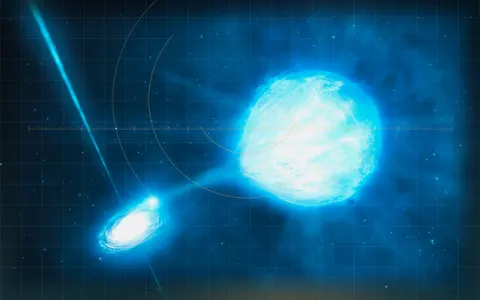 10589% complete
Image source ↗ -
09
Return signal · Stellar · Black holes
A horizon wider than a planetary system
M87* event horizon · ≈38 billion kmSupermassive black holes grow to millions or billions of solar masses at galactic centres.
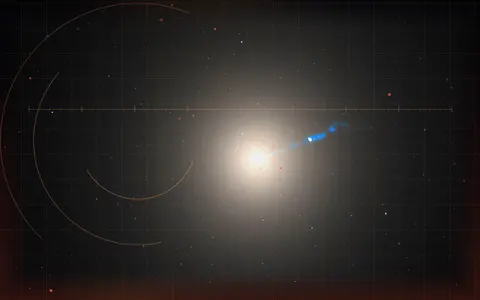 1014100% complete
Image source ↗
Expedition complete
You crossed 3.8 orders of magnitude.
The route began at Orion Nebula and ended at M87* event horizon. The next step is to place both endpoints inside the same comparison engine and inspect what the raw ratio means.