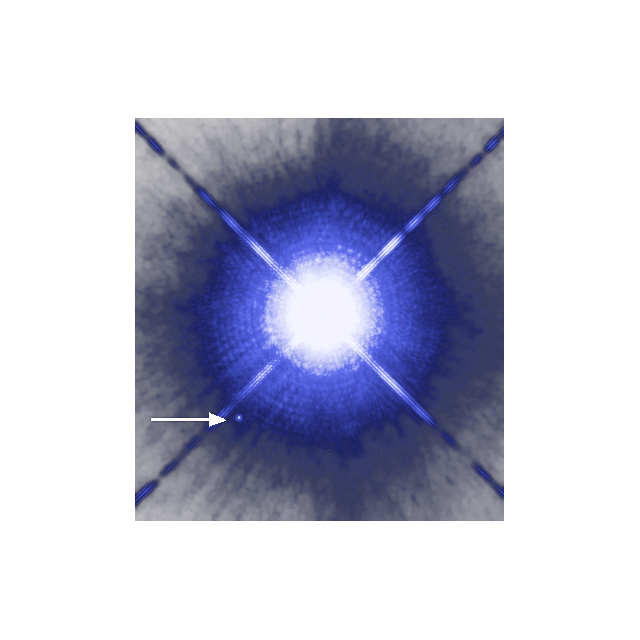
What this measurement describes
The selected line passes through the object from one side to the other. Where a body is not perfectly spherical, the catalog states which diameter is represented.
Planetary scale · Stars
LANDMARK 080 / 121
A Sun-like star’s exposed core can pack a star’s mass into a body about Earth’s size.
WonderA white dwarf and Earth can have similar diameters but radically different masses.
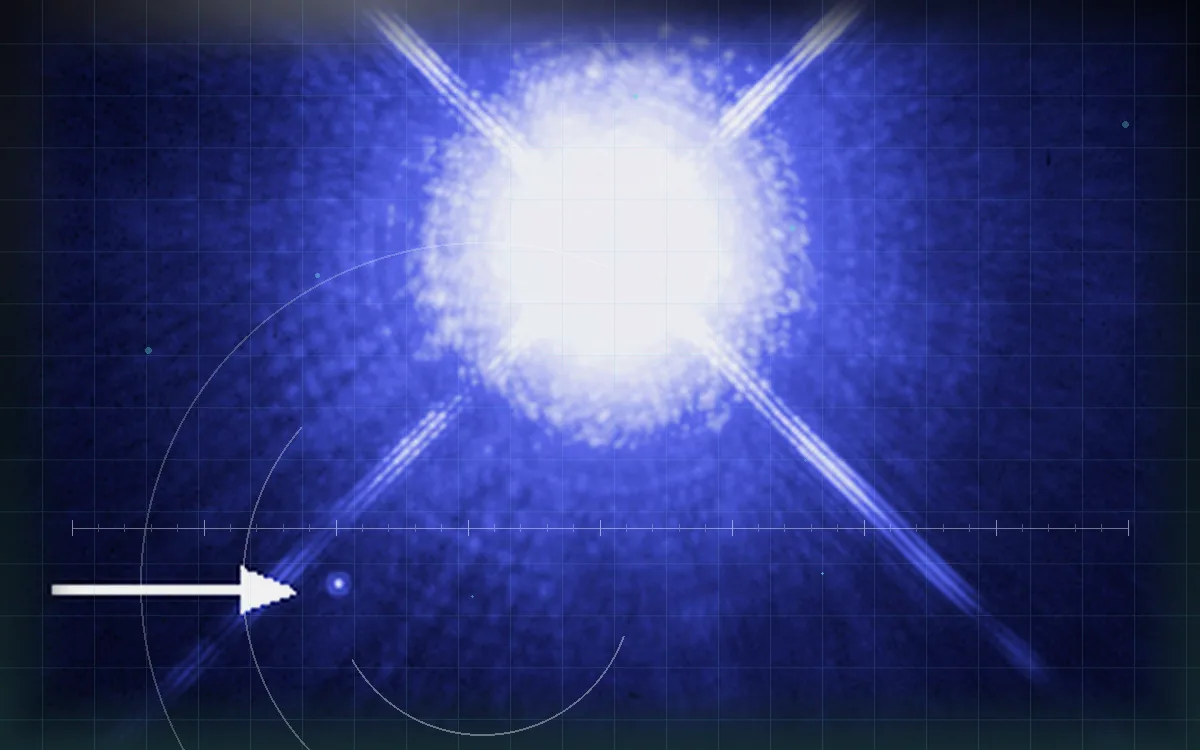 107metres
Scale context
Wonder · Explore · Deep
The selected line passes through the object from one side to the other. Where a body is not perfectly spherical, the catalog states which diameter is represented.
This is a useful typical scale, not a claim that every example has exactly the same dimension.
Vastoscope compares the SI value in metres for this representative stellar-remnant diameter. A ratio is mathematically valid as a linear span, while the interface identifies when the two selected definitions differ.
Familiar scale bridges
These anchors are selected by logarithmic proximity from familiar human, engineered, planetary and cosmic references.
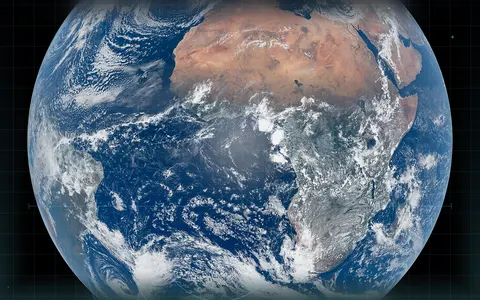 Planetary · Solar systemWhite dwarf ↔ Earth1.00×
Our ocean world, measured by mean diameter — the anchor for familiar planetary comparisons.
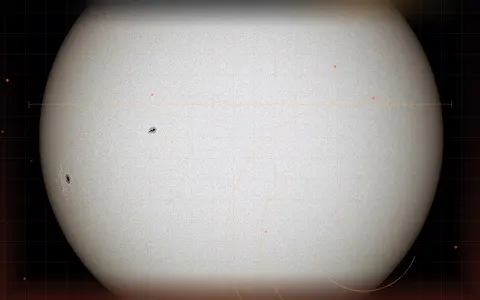 Stellar · StarsWhite dwarf ↔ Sun109.66×
The star containing almost all the solar system’s mass and powering nearly every surface ecosystem.
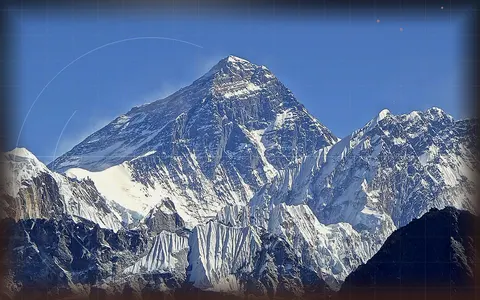 Monumental · EarthWhite dwarf ↔ Mount Everest1,435×
Earth’s highest mountain above mean sea level, shown as vertical elevation.
Evidence trail
Vastoscope keeps the displayed number separate from its measurement type and certainty. Representative and model-dependent values are intentionally labelled instead of presented as exact edges.
Nearby on the logarithmic rail
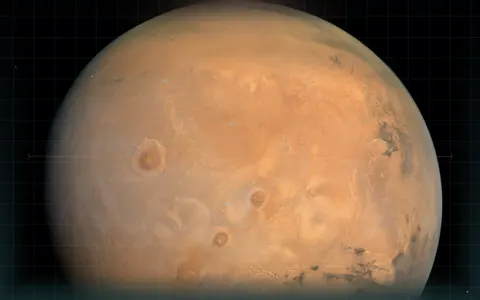 Planetary · Solar systemMars6,779 km
A cold desert world with giant volcanoes, canyons and evidence of ancient water.
 Planetary · Solar systemVenus12,104 km
An Earth-sized world hidden beneath dense clouds and a runaway greenhouse atmosphere.
Planetary · Solar systemEarth12,742 kmOur ocean world, measured by mean diameter — the anchor for familiar planetary comparisons.
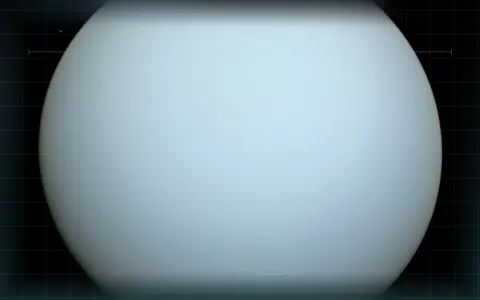 Planetary · Solar systemUranus50,724 km
An ice giant rotating on its side, surrounded by faint rings and many moons.
Next signal
Continue by scientific relationship, narrative journey or a deliberately distant scale jump.