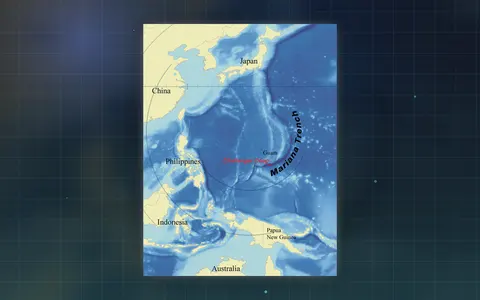
104.0 m · Ocean
Challenger Deep
≈10.935 km deepThe deepest reliably measured point in the ocean, inside the Mariana Trench.
≈10.935 km deep → 50,724 km
Planetary scale includes both physical worlds and distances around them. A moon’s diameter and an orbital altitude can share units, but they describe different realities; Vastoscope keeps that distinction visible.
Enter this realm in the scale engine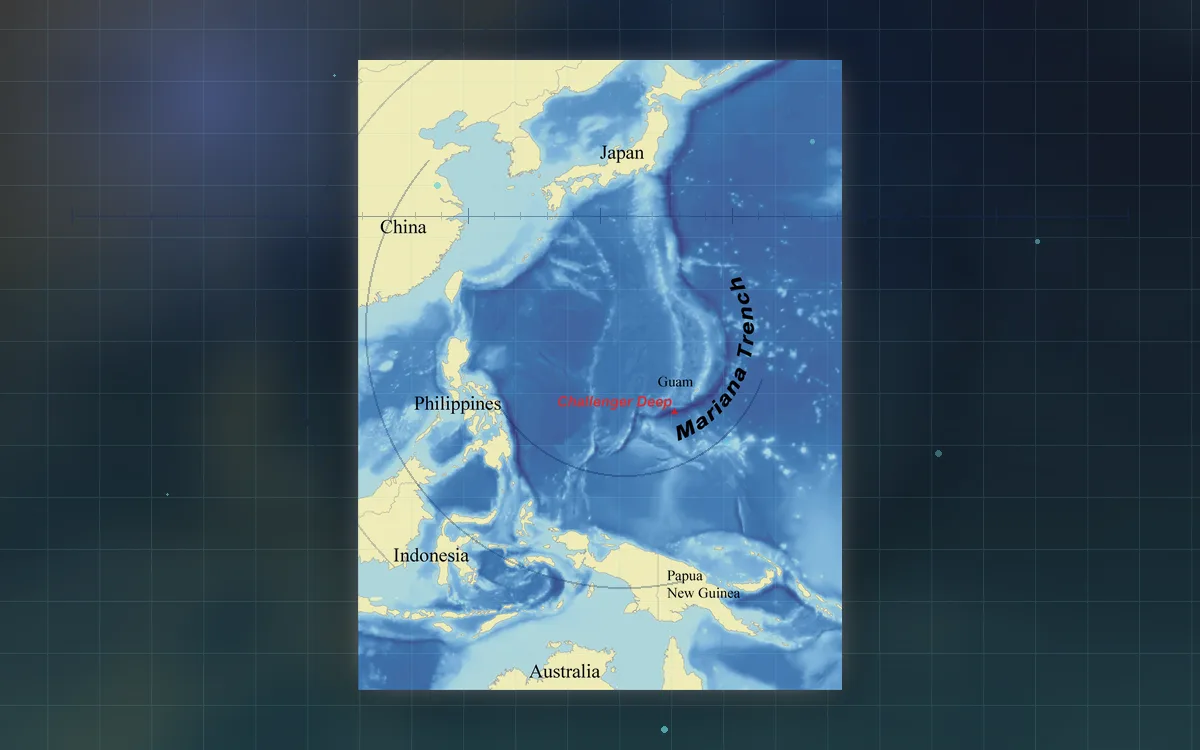
Questions this realm answers
24 source-backed coordinates
Ordered by the actual logarithm of its SI value.
The deepest reliably measured point in the ocean, inside the Mariana Trench.
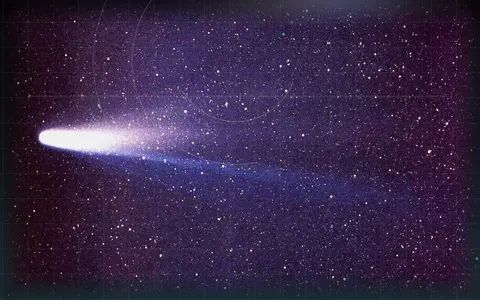
The dark icy nucleus behind Halley’s spectacular coma is roughly city-sized.
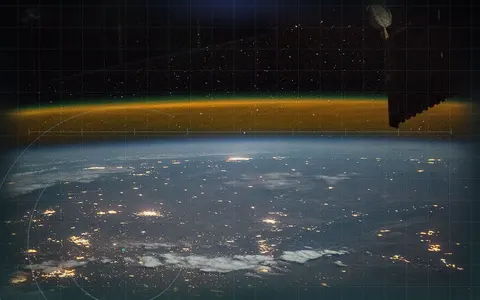
The lowest atmospheric layer contains most weather and most of the air’s mass.
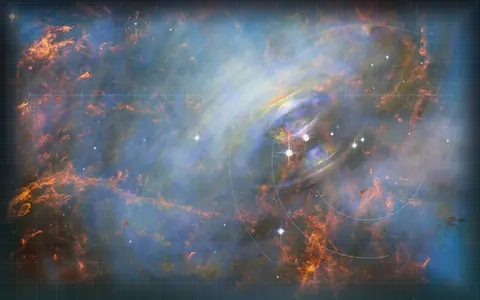
More mass than the Sun can be compressed into a sphere roughly the width of a city.
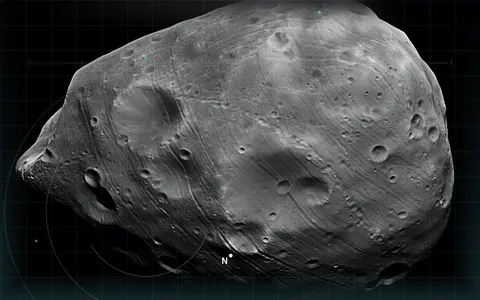
Mars’s larger moon is an irregular, cratered world barely larger than a city.
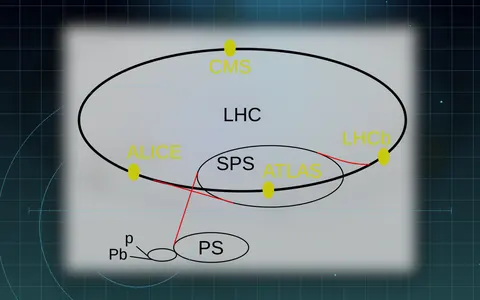
The world’s largest particle accelerator forms a buried ring beneath France and Switzerland.
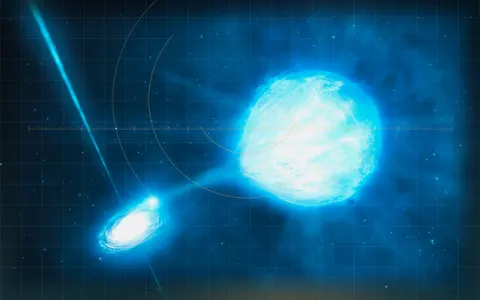
A representative event horizon for a black hole around ten times the Sun’s mass.
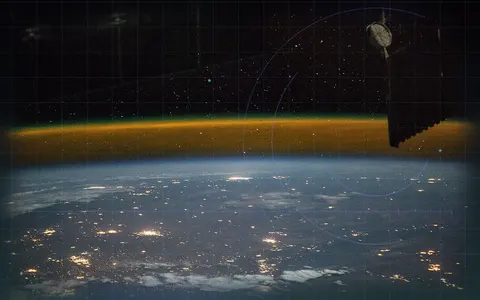
A widely used conventional boundary where aeronautical flight gives way to astronautics.
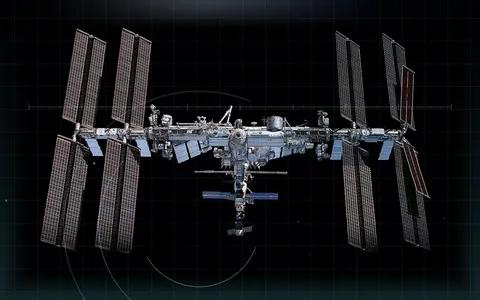
The station circles in low Earth orbit, close enough to cross the sky as a bright moving point.
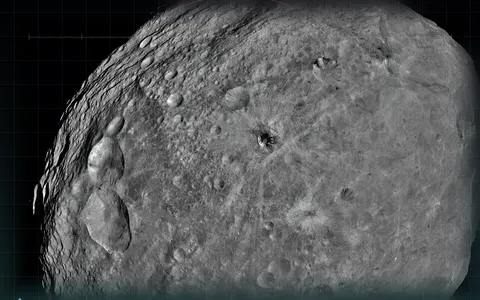
A large differentiated asteroid with a giant impact basin near its south pole.
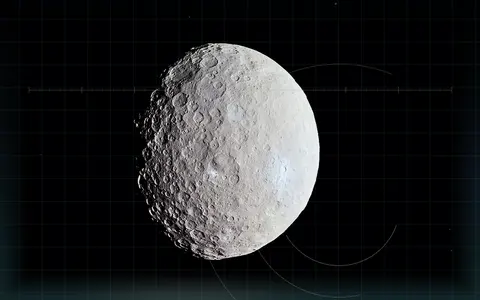
The largest object in the asteroid belt and the only dwarf planet in the inner solar system.
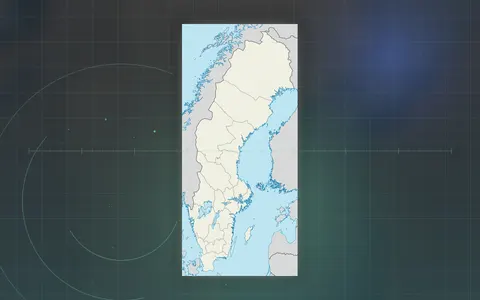
Sweden’s long north–south span bridges regional geography and planetary curvature.
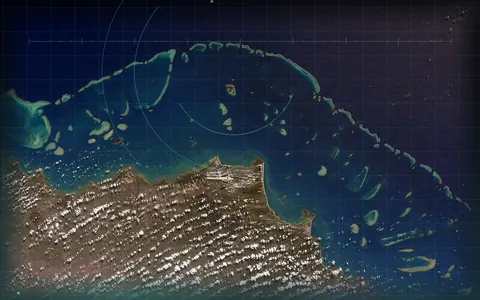
A vast connected marine ecosystem stretching along Australia’s northeastern coast.
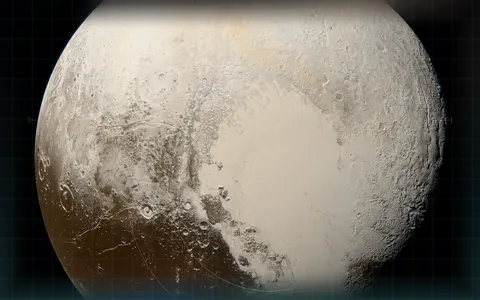
A dwarf planet with mountains of water ice and a bright heart-shaped plain.
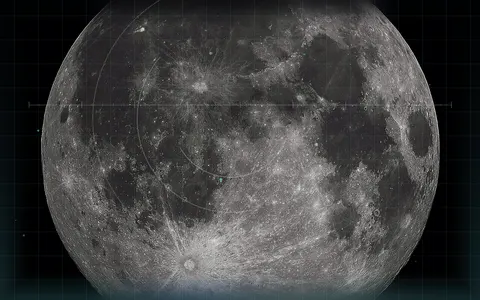
Earth’s natural satellite, the only world beyond Earth visited by humans.
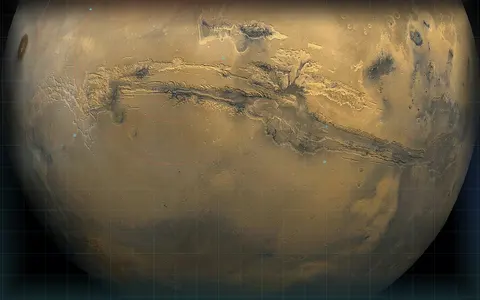
A canyon system on Mars that would stretch across a continent on Earth.
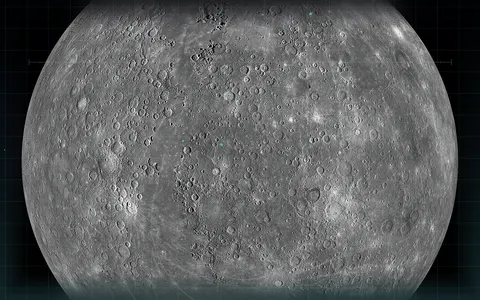
The smallest planet and the closest world to the Sun.
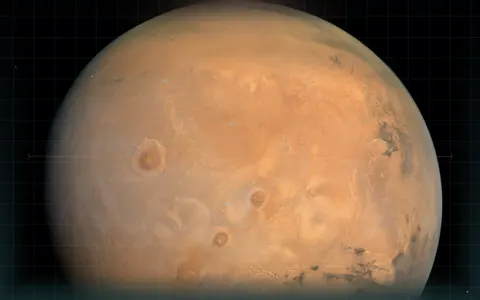
A cold desert world with giant volcanoes, canyons and evidence of ancient water.
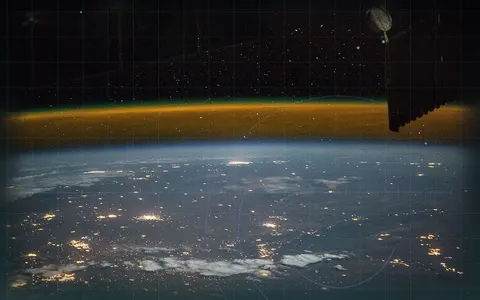
The outermost atmospheric region fades gradually into interplanetary space rather than ending sharply.
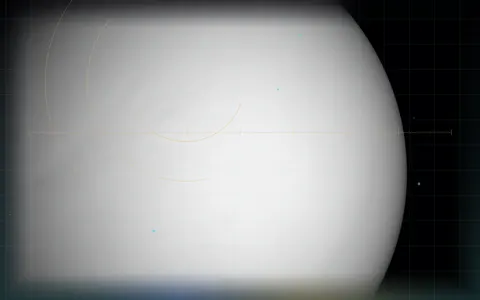
An Earth-sized world hidden beneath dense clouds and a runaway greenhouse atmosphere.
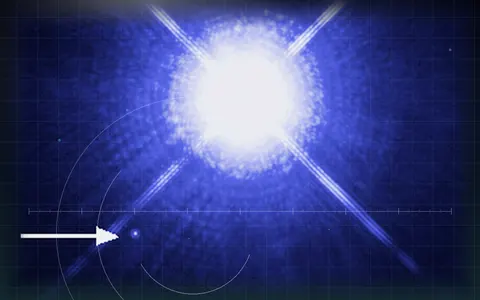
A Sun-like star’s exposed core can pack a star’s mass into a body about Earth’s size.
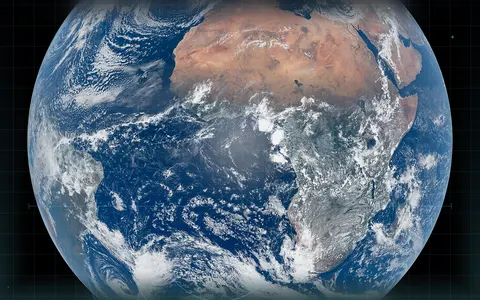
Our ocean world, measured by mean diameter — the anchor for familiar planetary comparisons.
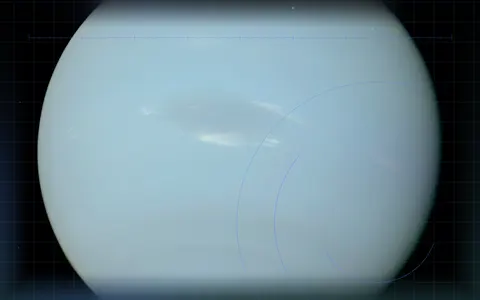
A distant ice giant with the fastest known planetary winds in the solar system.
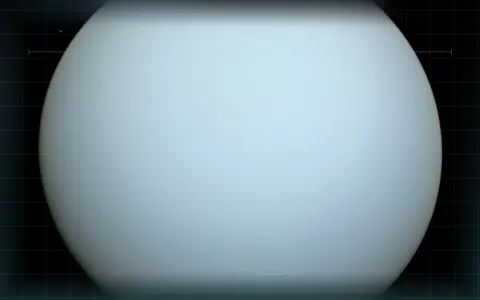
An ice giant rotating on its side, surrounded by faint rings and many moons.
Guided routes
Descend from ordinary diving depth through fading sunlight, shipwrecks, abyssal plains and the deepest measured point in the ocean.
Begin expedition →Flight · 5 minLeave the planet without cheatingClimb from mountains through atmospheric layers to orbit, the Moon and the gulf between planets.
Begin expedition →Stars · 7 minHow stars become impossibleFollow stellar scale from a nursery through ordinary stars, giants, remnants and black holes.
Begin expedition →Cosmos · 6 minYour complete cosmic addressLocate yourself inside nested structures from one body to the observable horizon.
Begin expedition →Making · 4 minWhat humans learned to buildCross the engineered world from pocket technology to machines, monuments, bridges and a particle accelerator.
Begin expedition →