10-8.0 m · Immunology
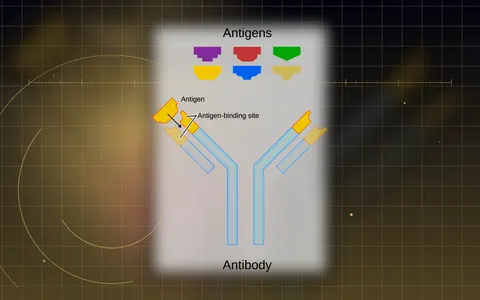
Antibody
≈10 nmA Y-shaped protein that recognizes molecular features with extraordinary precision.
≈10 nm → ≈0.5 mm
This realm contains particles that borrow life, organisms that live independently and cells that build complex bodies. The measurements are representative because biological individuals vary.
Enter this realm in the scale engine
Questions this realm answers
13 source-backed coordinates
Ordered by the actual logarithm of its SI value.
A Y-shaped protein that recognizes molecular features with extraordinary precision.
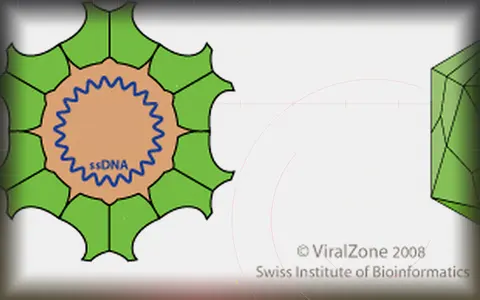
Among the smallest known animal viruses, built from a compact protein shell and genetic material.
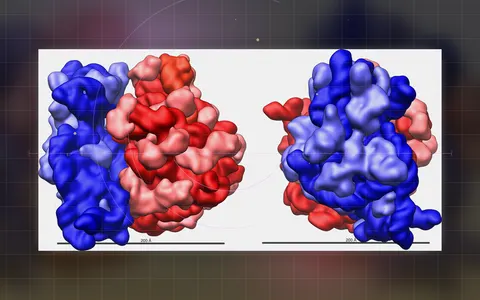
A molecular factory that reads genetic instructions and assembles proteins amino acid by amino acid.
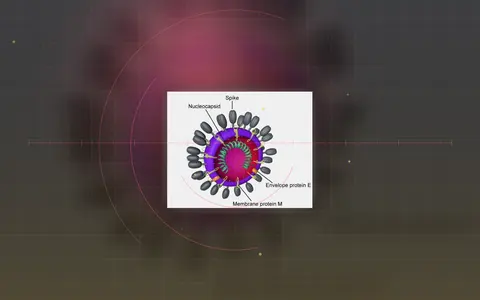
A membrane-wrapped virus particle whose crown-like proteins inspired the coronavirus name.
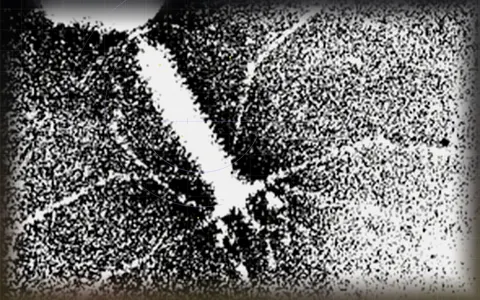
A virus shaped like a microscopic lunar lander that specializes in infecting bacteria.
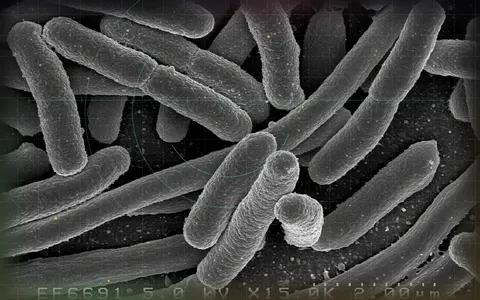
A representative rod-shaped bacterium, large enough to contain thousands of molecular machines.
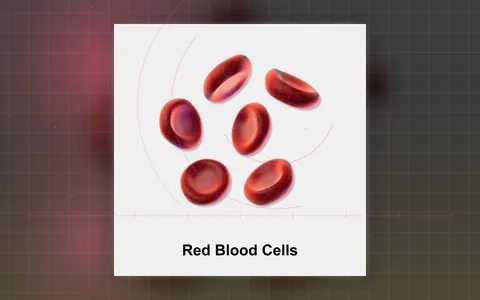
A flexible oxygen-carrying disc that folds through capillaries narrower than itself.
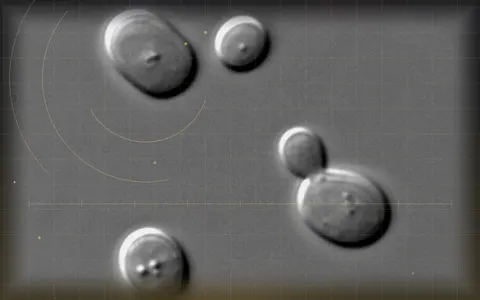
A single-celled fungus used in bread, fermentation and biological research.
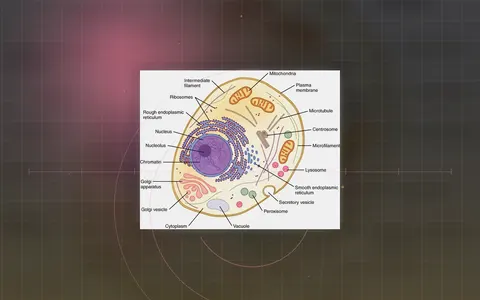
A representative human cell; real cells range from tiny platelets to very long neurons.
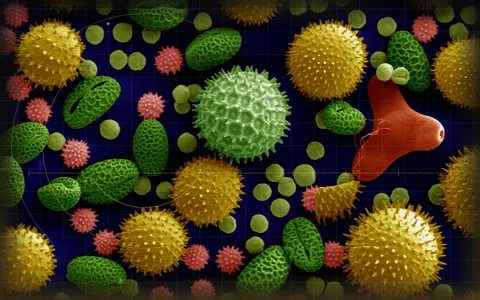
A tough microscopic package that transports plant reproductive cells between flowers.
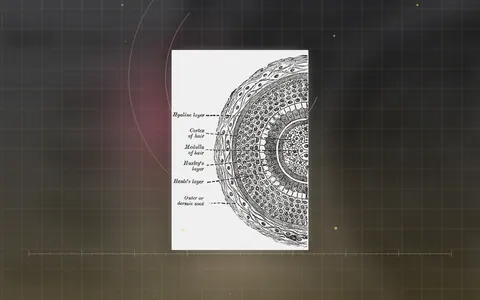
A familiar strand that becomes a broad cylinder under a microscope.
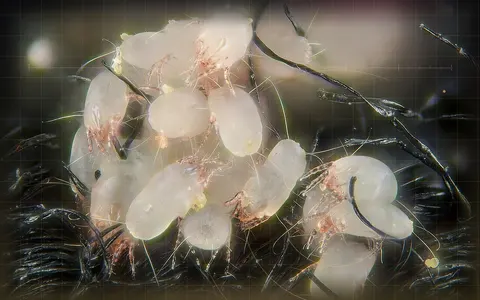
A nearly invisible eight-legged animal that lives among household dust and fabric fibres.
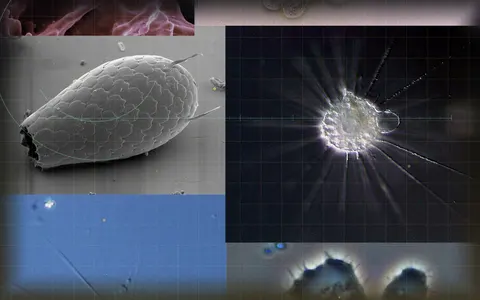
A single cell large enough to approach the edge of unaided human vision.
Guided routes