108.1 m · Solar system
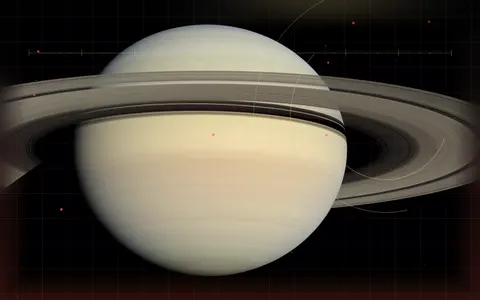
Saturn
116,460 kmA gas giant whose spectacular rings are broad but astonishingly thin.
116,460 km → ≈38 billion km
Stellar scale ranges from dense remnants to supergiants and event horizons. Many stellar boundaries are variable or model-dependent, so the catalog marks representative values instead of pretending to show fixed surfaces.
Enter this realm in the scale engine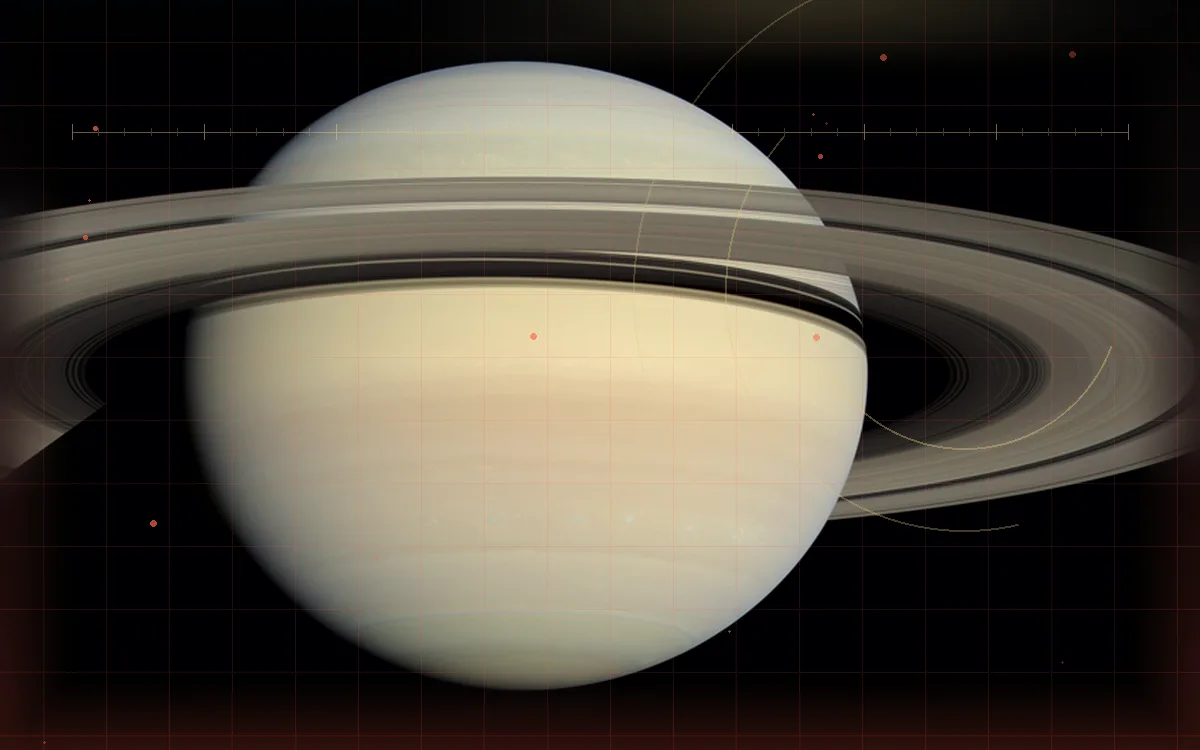
Questions this realm answers
21 source-backed coordinates
Ordered by the actual logarithm of its SI value.
A gas giant whose spectacular rings are broad but astonishingly thin.
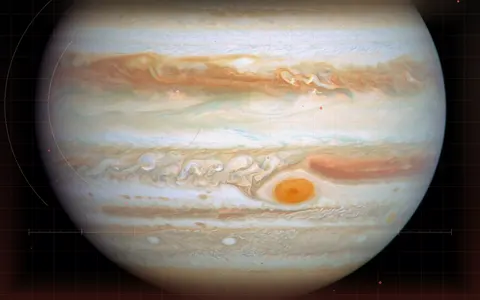
The largest planet, with storms and cloud bands wrapped around a rapidly rotating globe.
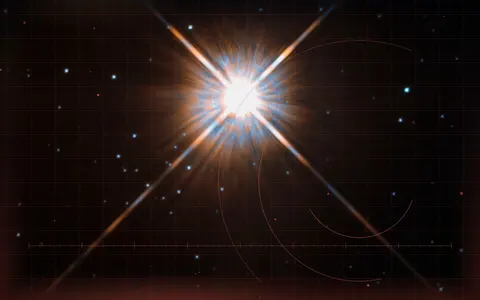
The nearest known star to the Sun is a cool red dwarf only modestly larger than Jupiter.
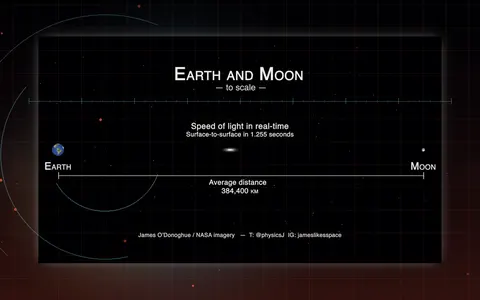
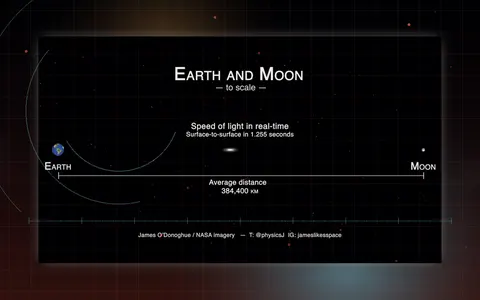
The distance light covers in exactly one second in vacuum.
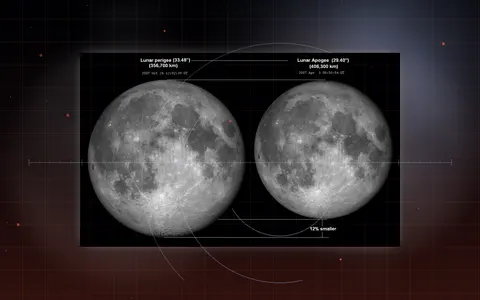
The average centre-to-centre distance separating Earth and the Moon.
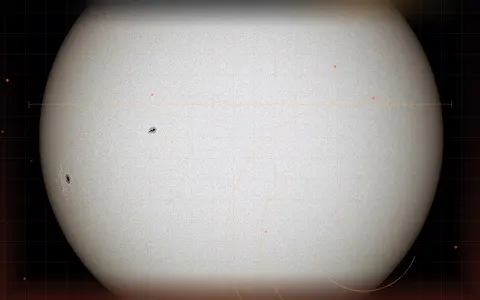
The star containing almost all the solar system’s mass and powering nearly every surface ecosystem.
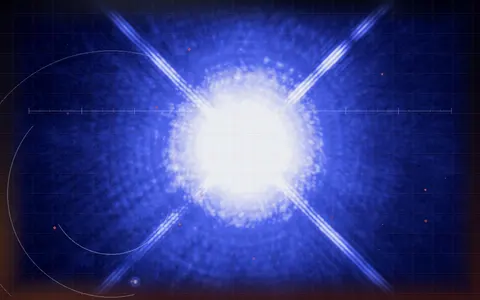
The brightest star in Earth’s night sky is larger, hotter and more luminous than the Sun.
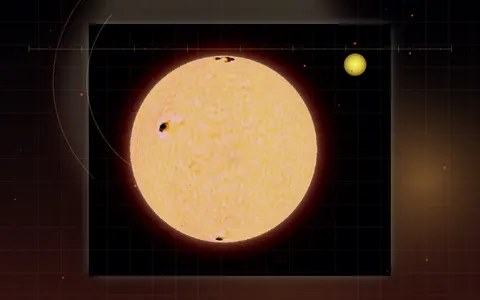
An orange giant star that shows how dramatically stars expand after core hydrogen runs low.
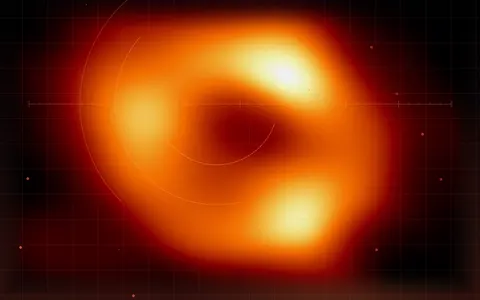
The Milky Way’s central black hole has millions of solar masses inside an event horizon smaller than Mercury’s orbit.
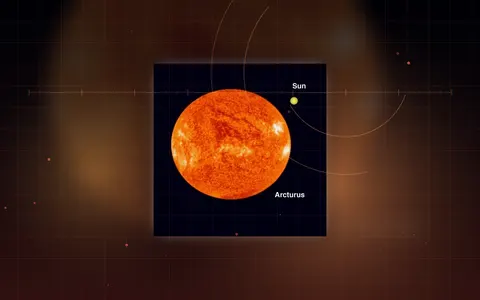
A nearby orange giant whose swollen surface dwarfs the Sun.
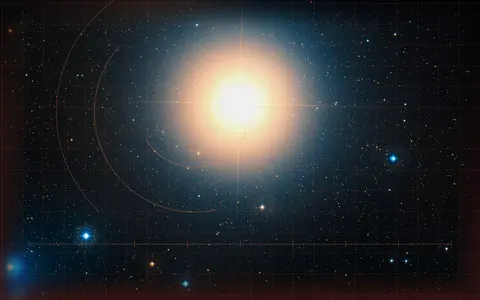
The orange eye of Taurus is a giant star with a broad, diffuse visible boundary.
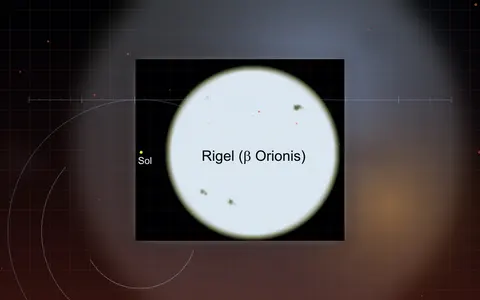
A blue supergiant burning with extreme luminosity and a vast stellar surface.
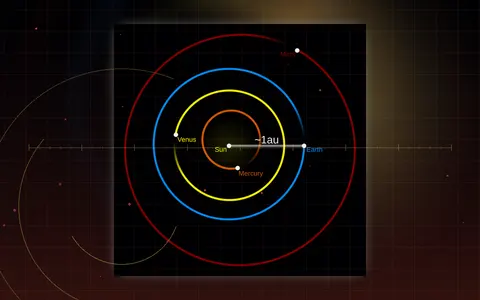
The conventional distance unit based on Earth’s average separation from the Sun.
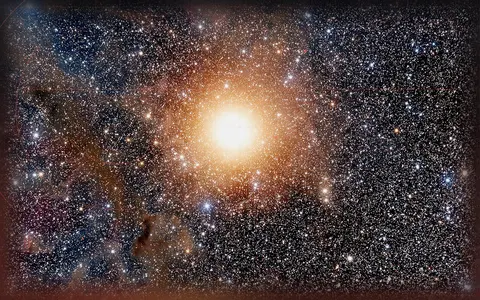
A pulsating red supergiant with a surface so diffuse that its quoted diameter changes with wavelength and time.
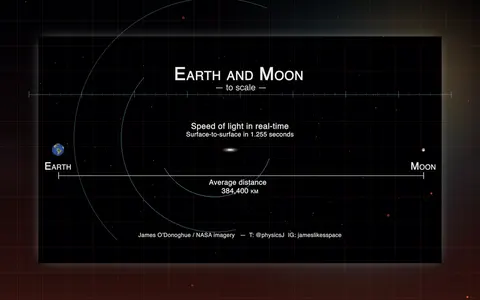
The distance light crosses during one hour in vacuum.
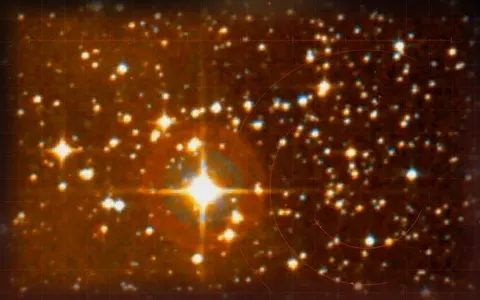
An extreme red hypergiant surrounded by material it has expelled into space.
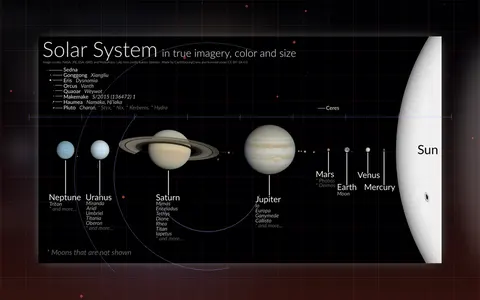
The broad diameter of Neptune’s orbit reveals how empty a planetary system really is.
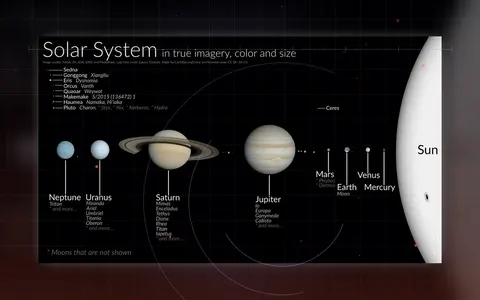
Pluto’s elongated orbit widens the familiar planetary system beyond Neptune.
The enormous distance light covers during one Earth day.
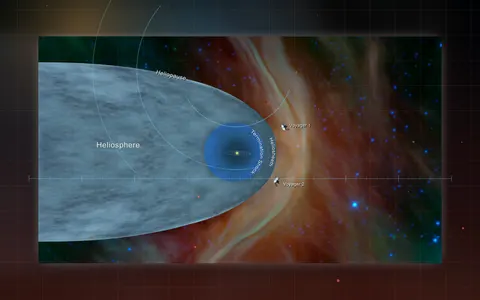
The solar wind inflates a vast, asymmetric bubble inside the surrounding interstellar medium.
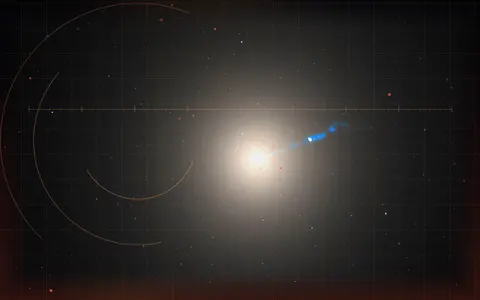
A supermassive black hole whose event-horizon scale rivals the width of the heliosphere.
Guided routes
Climb from mountains through atmospheric layers to orbit, the Moon and the gulf between planets.
Begin expedition →Stars · 7 minHow stars become impossibleFollow stellar scale from a nursery through ordinary stars, giants, remnants and black holes.
Begin expedition →Cosmos · 6 minYour complete cosmic addressLocate yourself inside nested structures from one body to the observable horizon.
Begin expedition →