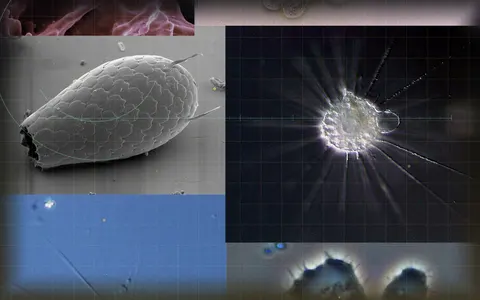
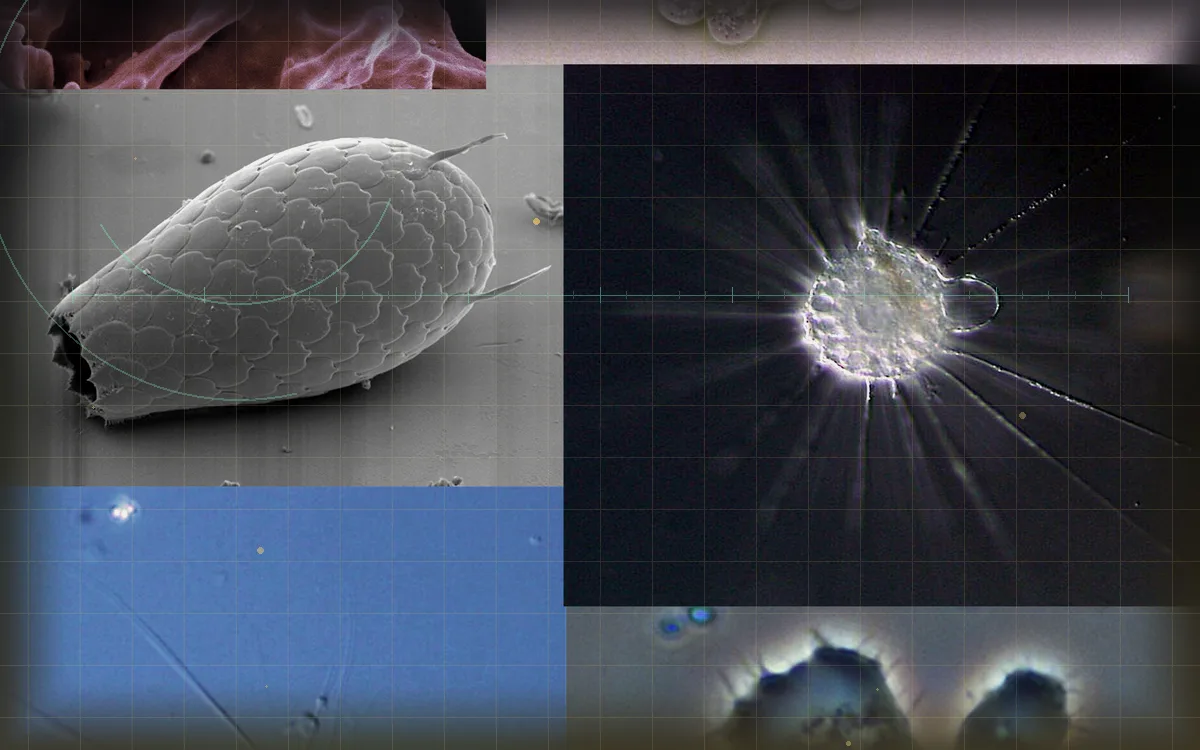
Amoeba
≈0.5 mm
Living scale engine · 121 landmarks
100 metres
Move through orders of magnitude with left and right arrow keys. Press Home for the smallest landmark and End for the largest. Pointer users can drag horizontally; wheel movement is captured only while the stage has focus.
An atlas of everything between limits
Travel across 62 orders of magnitude without flattening objects, depths, distances and cosmic regions into the same misleading idea of “size”.
Objects sit where their real exponent places them. Empty stretches remain visible.
Height, diameter, depth, extent and distance are compared with explicit language.
Every landmark carries certainty, provenance and a route to deeper information.
Begin your scale passport.Everything stays in this browser. No account and no tracking.
Scale laboratory
Vastoscope automatically changes visual grammar when a normal side-by-side view would collapse one object into an invisible dot.
The comparison is also described in text immediately below this visualization.
≈0.5 mm
Calculating comparison…
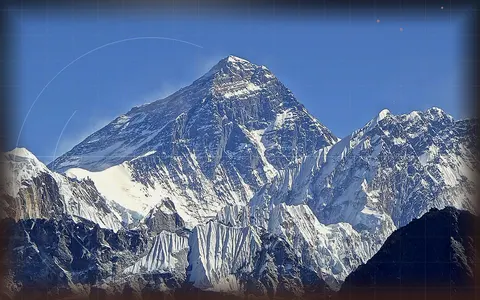
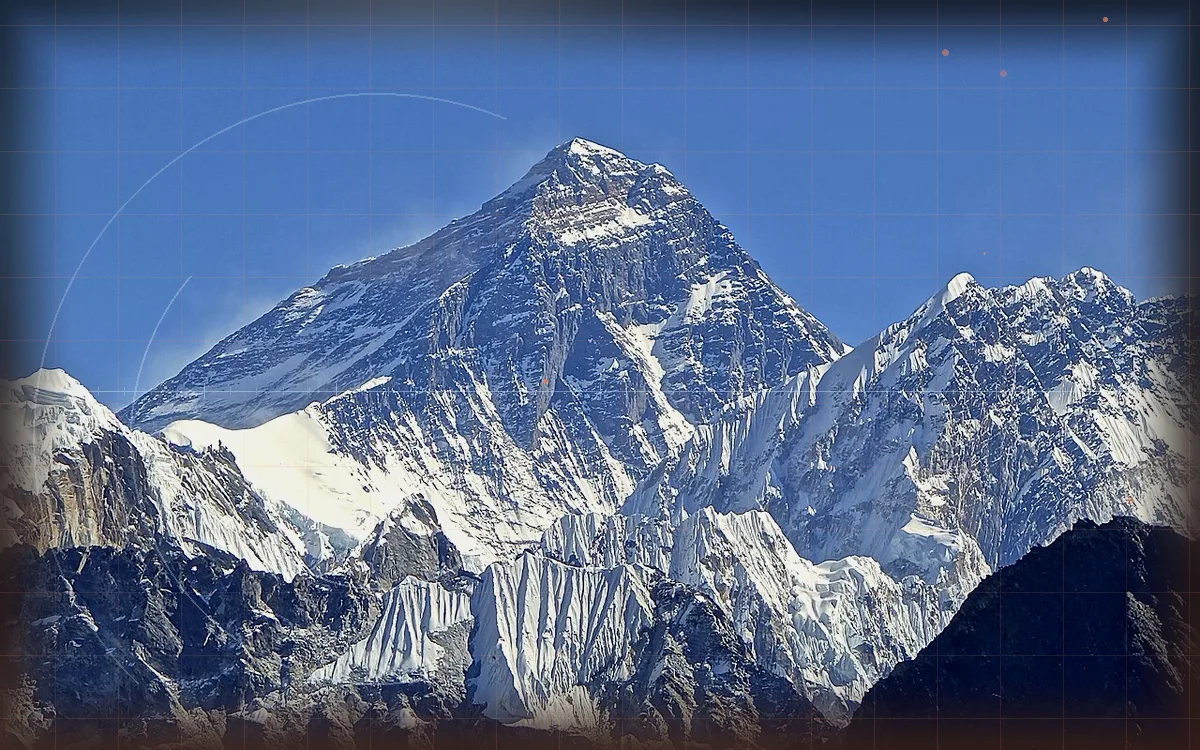
8,848.86 m
Six real expeditions
Each expedition is a complete sequence with progress, context and a real endpoint — not a card that merely jumps to one object.
Life expedition
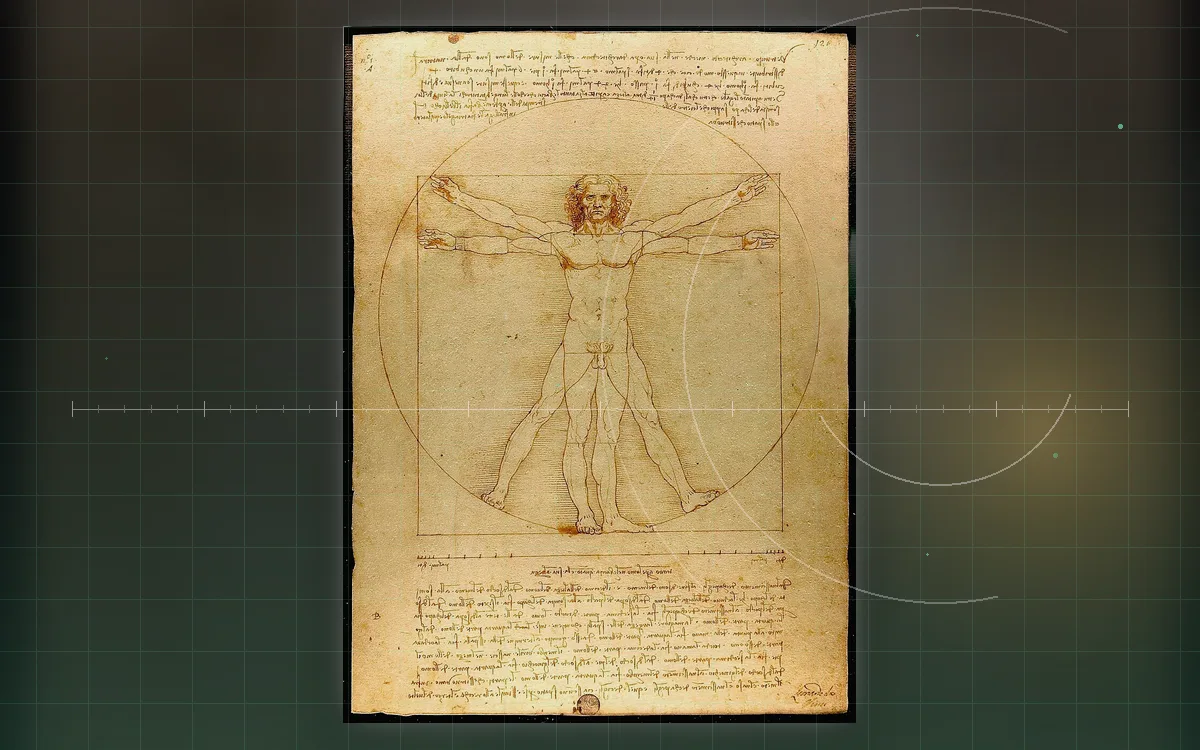
Your body is the familiar reference, but it is built from nested worlds that operate far below sight.
Scale instinct
One object, three depths
Start with a sentence that creates a mental picture before introducing notation, uncertainty and source detail.
Impossible bridges
Compact, curated jumps connect scales that numbers alone cannot make memorable. Open any bridge directly in the comparison laboratory.
The living atlas
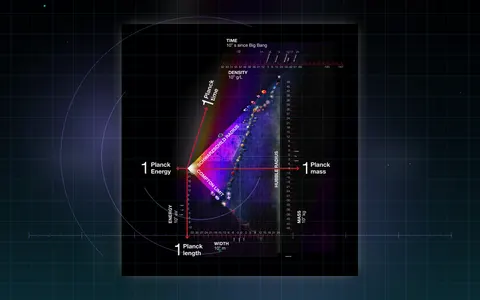
A fundamental length scale built from physical constants, not a tiny bead waiting to be photographed.
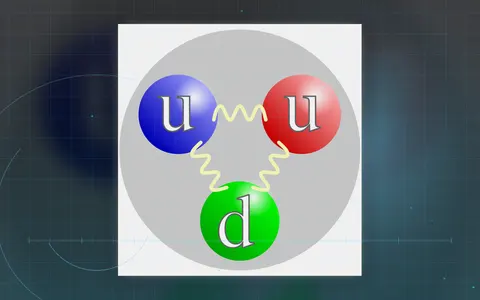
A positively charged component of atomic nuclei, described by quantum fields rather than a hard outer shell.
One of the largest naturally occurring atomic nuclei, still vastly smaller than the atom around it.
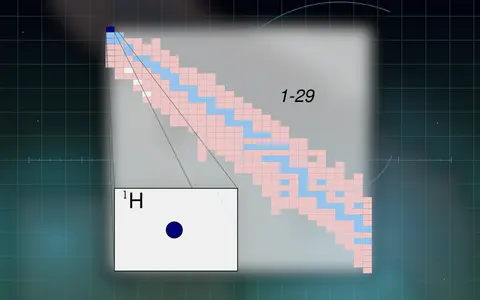
The simplest atom: one proton surrounded by a quantum probability cloud for one electron.
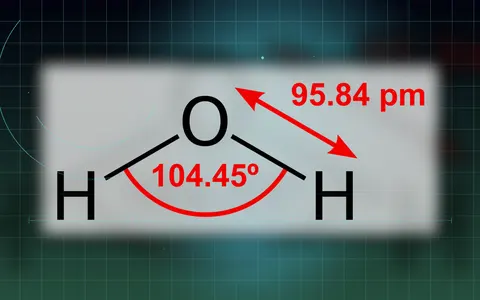
Two hydrogen atoms bonded to one oxygen atom form the bent molecule that shapes life on Earth.
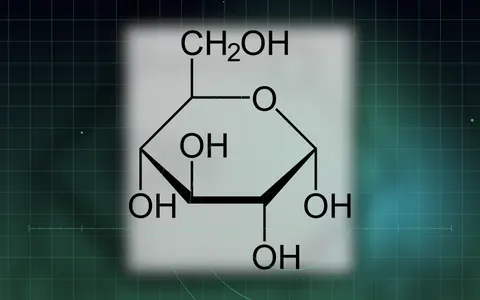
A compact sugar molecule used by cells as a readily available source of chemical energy.
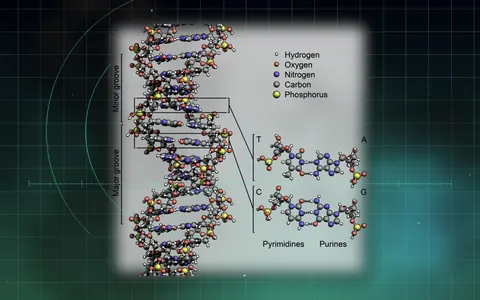
The molecular ladder that carries genetic instructions is only a few atoms wide.
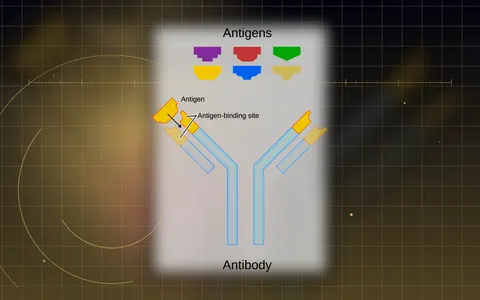
A Y-shaped protein that recognizes molecular features with extraordinary precision.
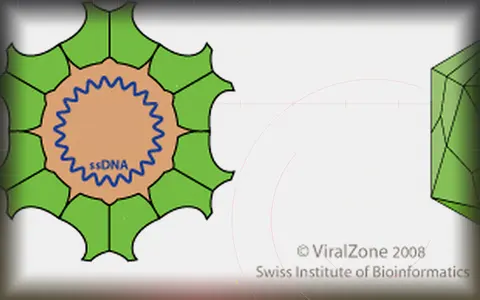
Among the smallest known animal viruses, built from a compact protein shell and genetic material.
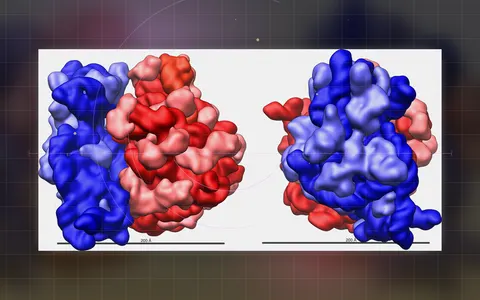
A molecular factory that reads genetic instructions and assembles proteins amino acid by amino acid.
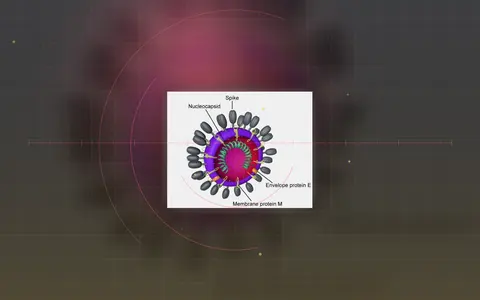
A membrane-wrapped virus particle whose crown-like proteins inspired the coronavirus name.
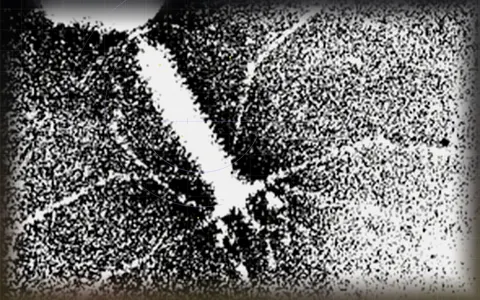
A virus shaped like a microscopic lunar lander that specializes in infecting bacteria.
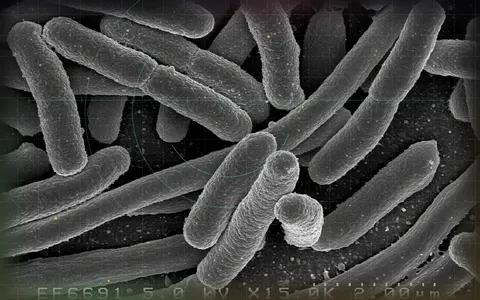
A representative rod-shaped bacterium, large enough to contain thousands of molecular machines.
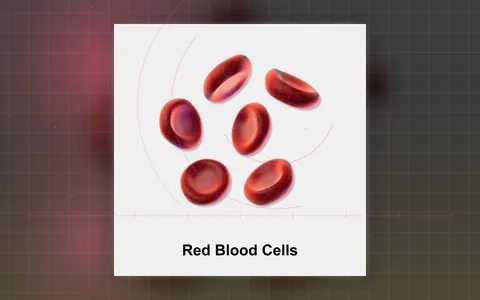
A flexible oxygen-carrying disc that folds through capillaries narrower than itself.
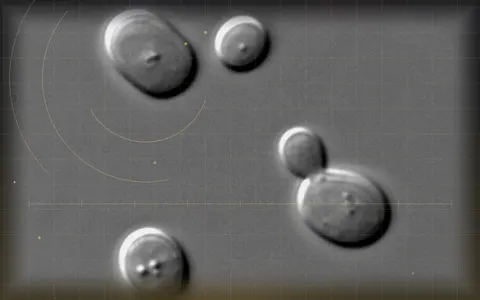
A single-celled fungus used in bread, fermentation and biological research.
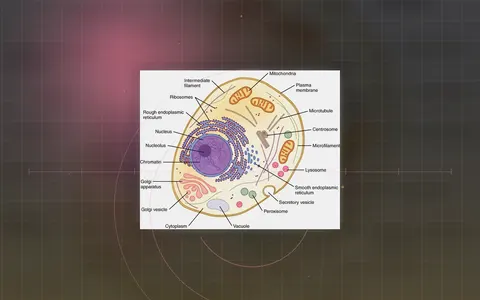
A representative human cell; real cells range from tiny platelets to very long neurons.
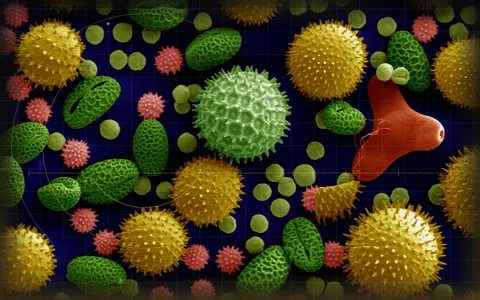
A tough microscopic package that transports plant reproductive cells between flowers.
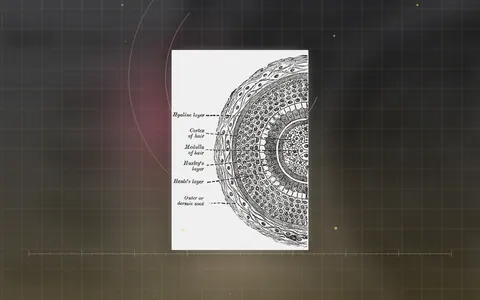
A familiar strand that becomes a broad cylinder under a microscope.
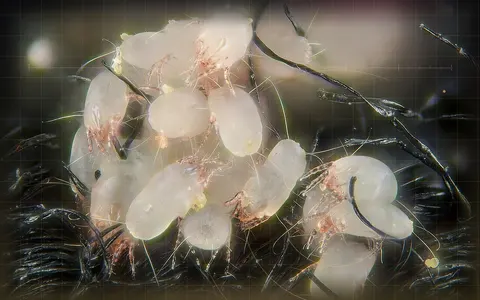
A nearly invisible eight-legged animal that lives among household dust and fabric fibres.
A single cell large enough to approach the edge of unaided human vision.
A medium sand grain marks the threshold where the microscopic world becomes comfortably visible.
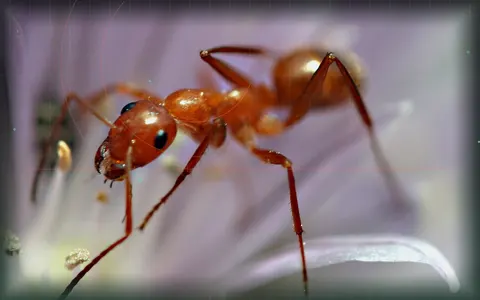
A small worker ant, already millions of times wider than an atom.
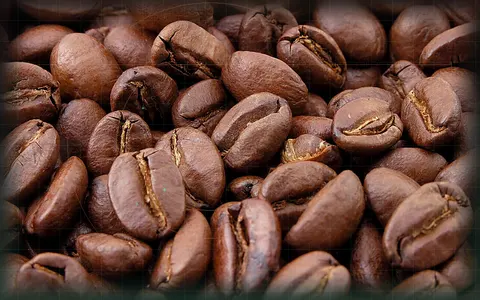
A roasted seed whose centimetre scale is instantly familiar to the hand and eye.
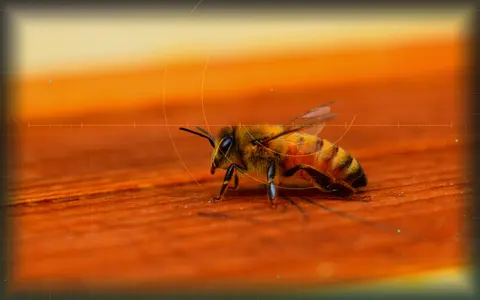
A pollinating insect whose compact body carries a complete flight system and social toolkit.
A bent wire object that provides a useful bridge from insects to handheld tools.
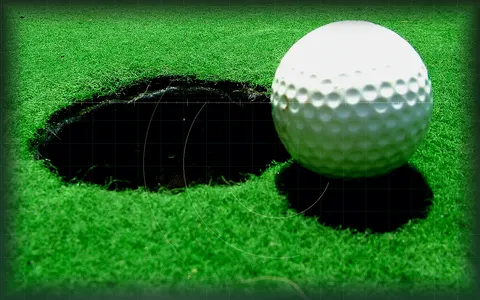
A regulation ball with a precisely controlled minimum diameter and a surface engineered with dimples.
A tiny flying animal whose complete body can fit in a human hand.
A modern pocket computer whose precisely published height makes a useful everyday scale reference.
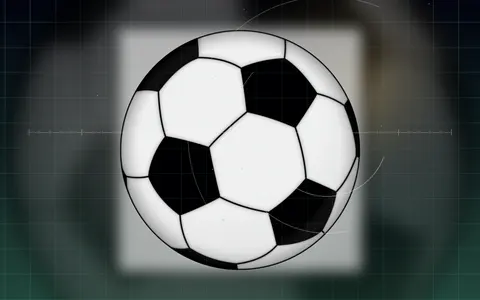
A regulation association football, familiar enough to make larger ratios immediately tangible.
A medium domestic cat measured from nose to the base of the tail.
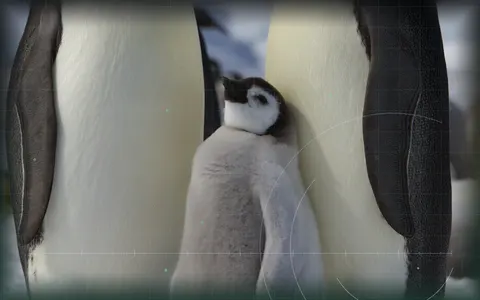
The tallest living penguin, built to survive and breed through the Antarctic winter.
A representative six-year-old height, included as a child-friendly reference rather than a fixed standard.
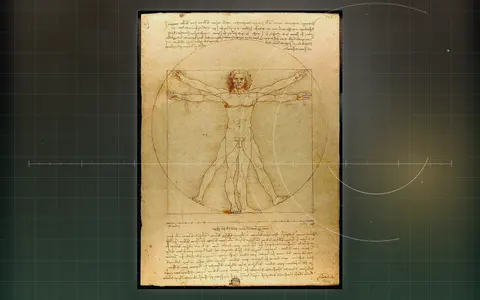
A representative adult human — the central reference point for moving both inward and outward.
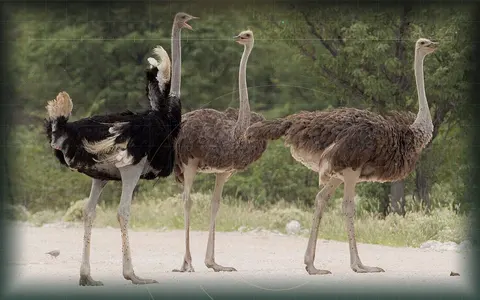
The tallest living bird, with most of its height carried by powerful legs and a long neck.
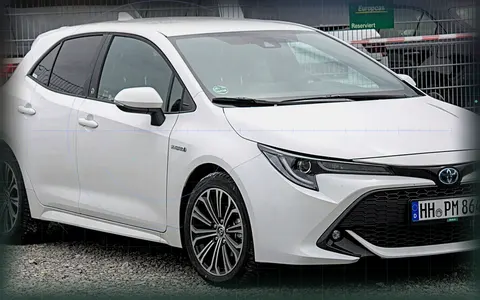
A current family sedan whose published overall length anchors the transition from bodies to engineered systems.
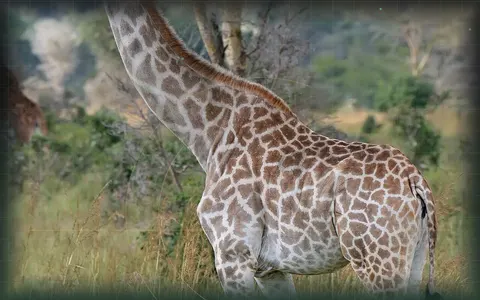
The tallest living land animal, raising its eyes above many ground-floor windows.
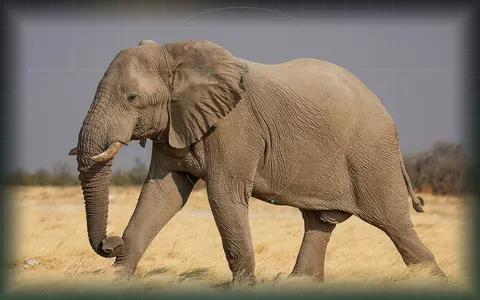
The largest living land animal, measured from trunk base through its massive body.
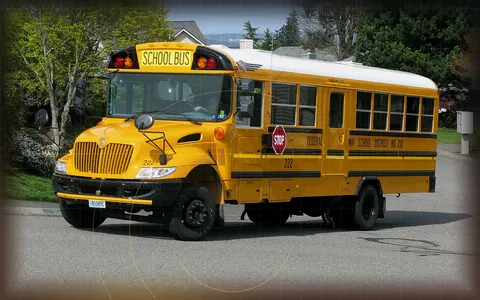
A full-size school bus, useful as a measuring stick for dinosaurs, whales and buildings.
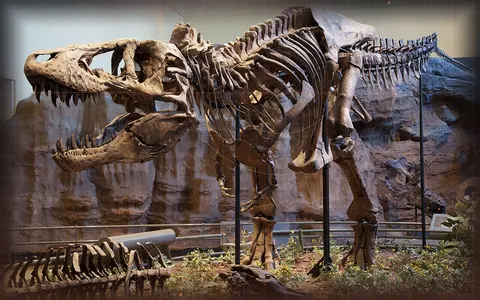
A large adult tyrannosaur, reconstructed from fossils rather than measured as one fixed specimen.
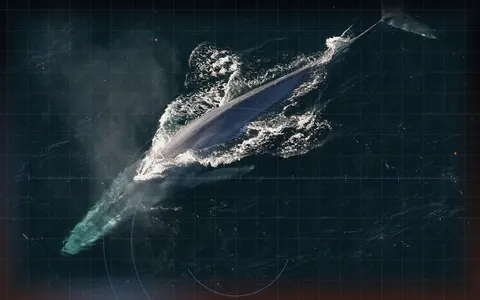
The largest animal known to have lived, longer than many commercial aircraft cabins.
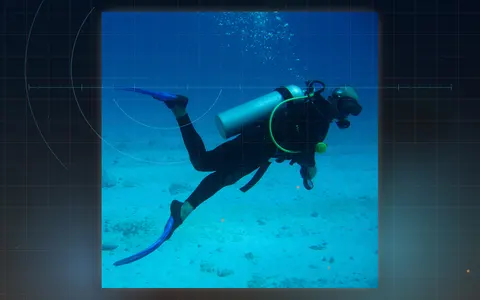
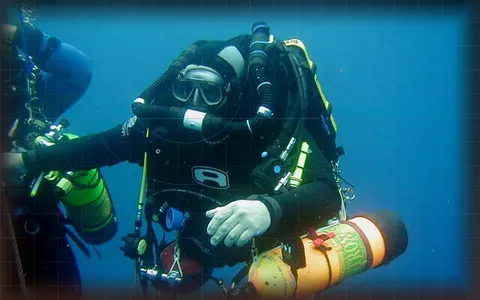
A common maximum depth used for advanced recreational diving, already beyond ordinary daylight comfort.
A Boeing 747-8 long-haul aircraft whose body is more than two and a half blue whales long.
The complete monument from ground to torch, bridging animals, machines and tall structures.
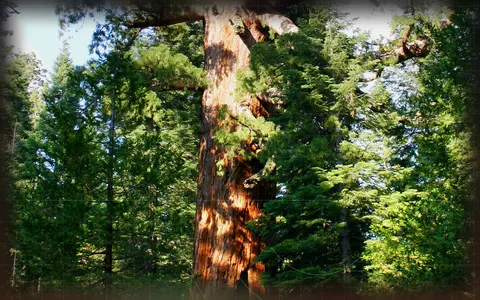
One of Earth’s most massive living organisms, growing as tall as a city landmark.
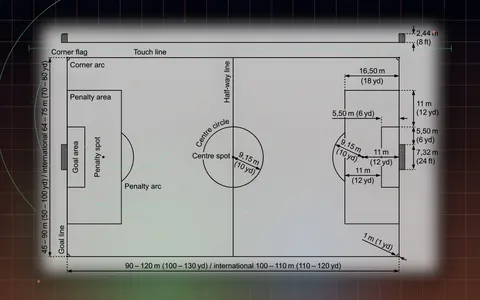
A common international football pitch length, useful for measuring structures and landscapes.
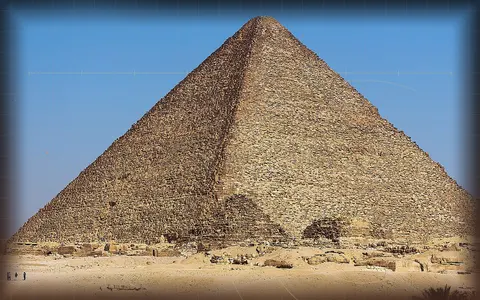
The tallest ancient pyramid, still monumental after thousands of years of weathering and stone loss.
Around this depth, sunlight weakens so much that photosynthesis becomes impractical.
One tower of the Golden Gate Bridge rises higher than many city skyscrapers.
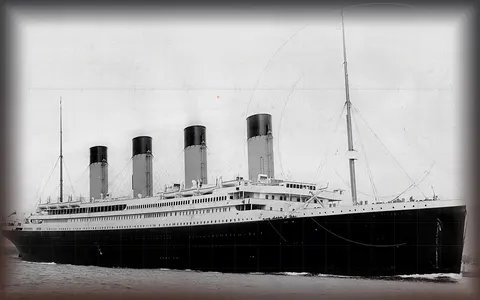
The ocean liner’s length provides a human-engineered reference before kilometre-scale works.
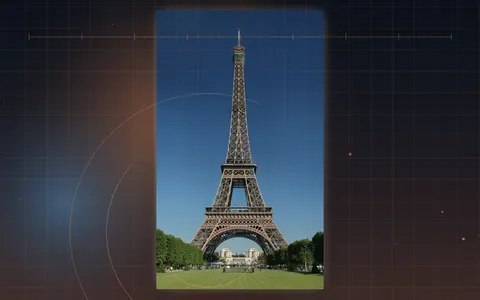
Paris’s iron landmark including its modern antenna height.
A record-setting open-circuit scuba descent that pushes human physiology and equipment far beyond recreation.
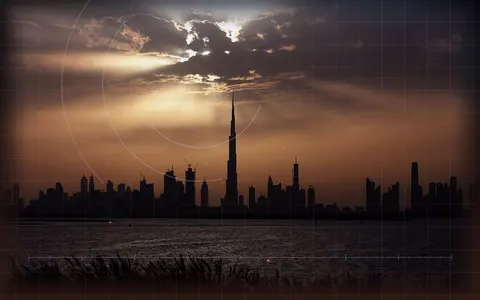
A supertall skyscraper that compresses an entire vertical neighbourhood into one structure.
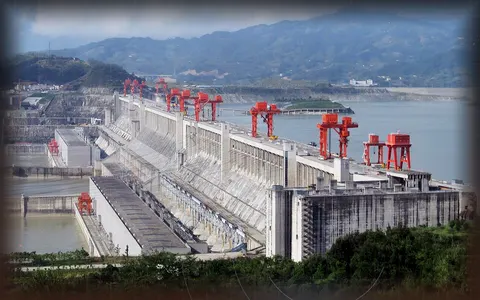
A vast hydroelectric structure spanning more than two kilometres across the Yangtze River.
A suspension bridge whose complete length turns familiar tower heights into a horizontal journey.
The global ocean’s average depth is already deeper than most mountains are tall above nearby terrain.
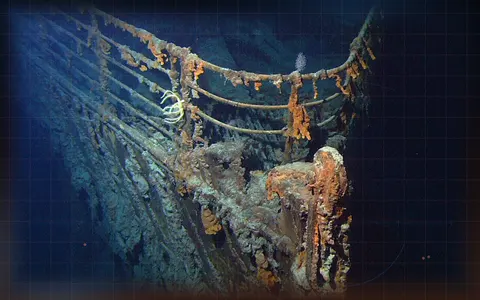
The Titanic rests in darkness under enormous pressure on the North Atlantic seafloor.
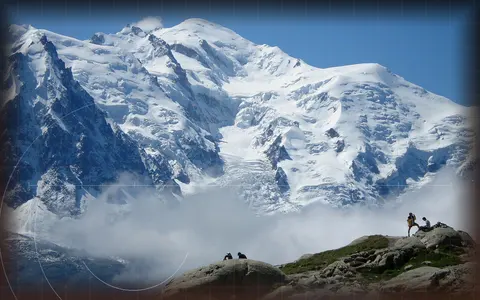
The Alps’ highest summit, whose snow-and-ice cap makes the measured altitude vary between surveys.
Around six kilometres down, the abyss gives way to hadal trenches carved by plate tectonics.
Earth’s highest mountain above mean sea level, shown as vertical elevation.
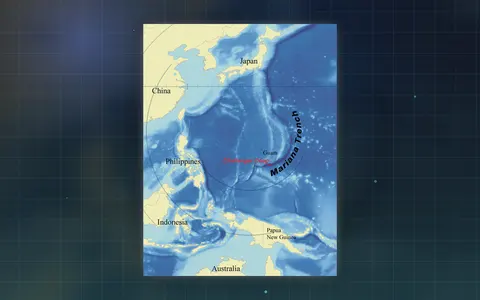
The deepest reliably measured point in the ocean, inside the Mariana Trench.
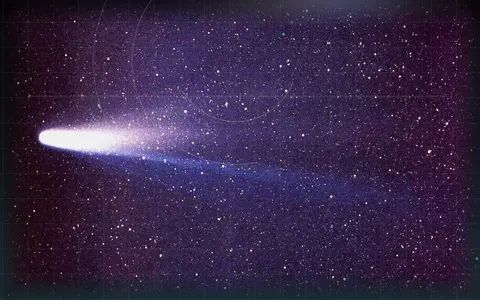
The dark icy nucleus behind Halley’s spectacular coma is roughly city-sized.
The lowest atmospheric layer contains most weather and most of the air’s mass.
More mass than the Sun can be compressed into a sphere roughly the width of a city.
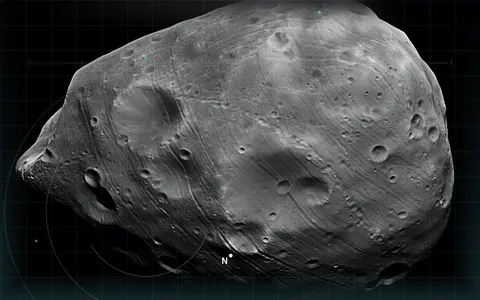
Mars’s larger moon is an irregular, cratered world barely larger than a city.
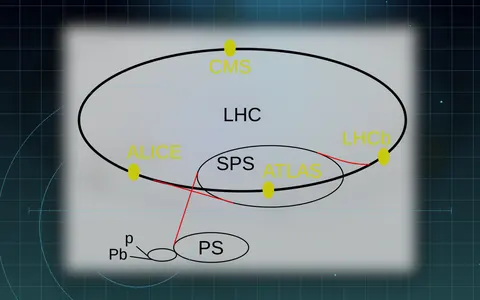
The world’s largest particle accelerator forms a buried ring beneath France and Switzerland.
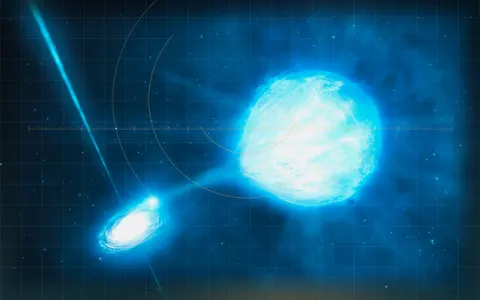
A representative event horizon for a black hole around ten times the Sun’s mass.
A widely used conventional boundary where aeronautical flight gives way to astronautics.
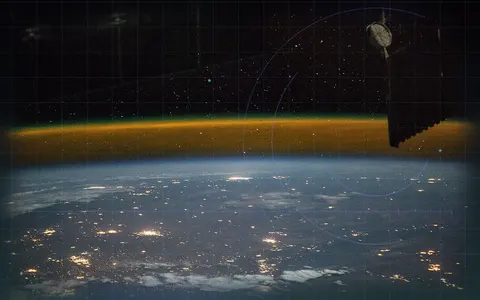
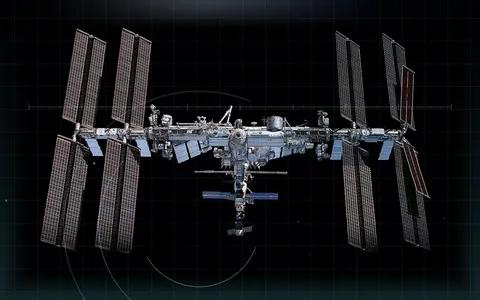
The station circles in low Earth orbit, close enough to cross the sky as a bright moving point.
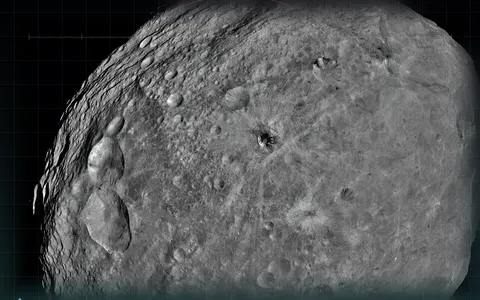
A large differentiated asteroid with a giant impact basin near its south pole.
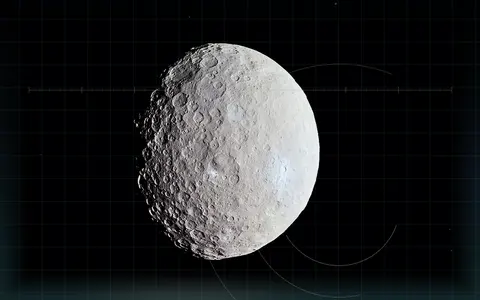
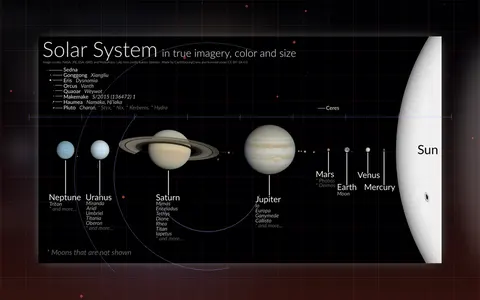
The largest object in the asteroid belt and the only dwarf planet in the inner solar system.
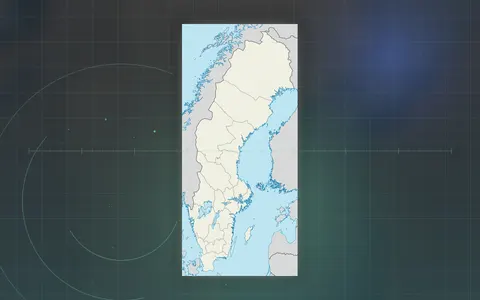
Sweden’s long north–south span bridges regional geography and planetary curvature.
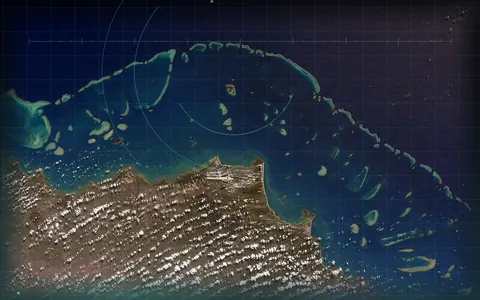
A vast connected marine ecosystem stretching along Australia’s northeastern coast.
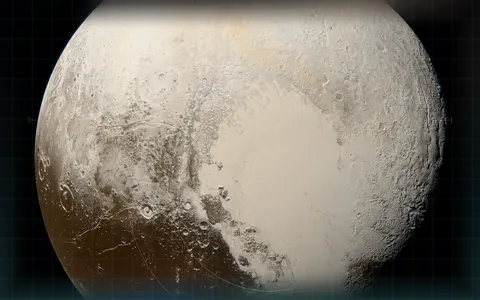
A dwarf planet with mountains of water ice and a bright heart-shaped plain.
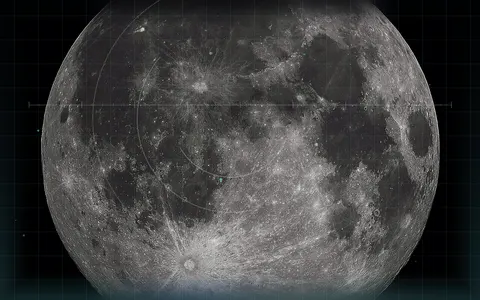
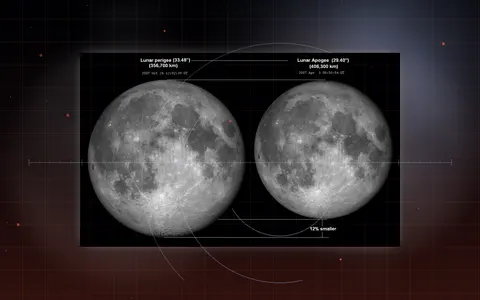
Earth’s natural satellite, the only world beyond Earth visited by humans.
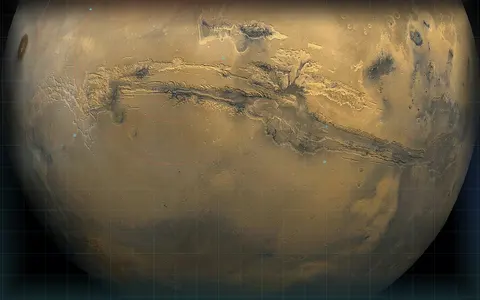
A canyon system on Mars that would stretch across a continent on Earth.
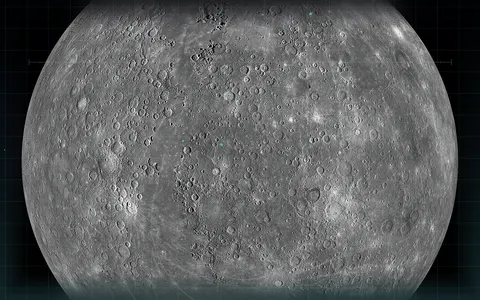
The smallest planet and the closest world to the Sun.
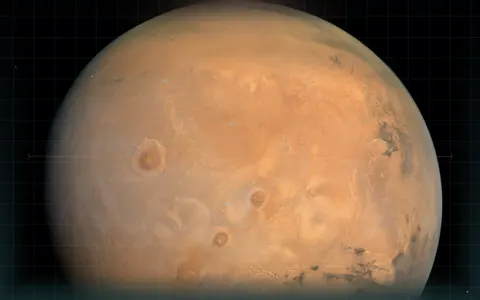
A cold desert world with giant volcanoes, canyons and evidence of ancient water.
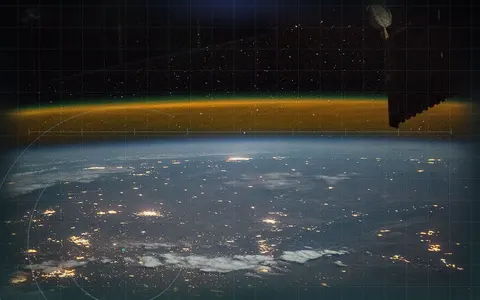
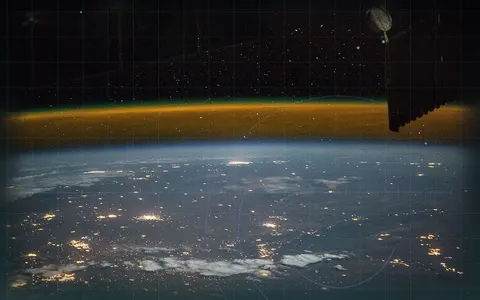
The outermost atmospheric region fades gradually into interplanetary space rather than ending sharply.
An Earth-sized world hidden beneath dense clouds and a runaway greenhouse atmosphere.
A Sun-like star’s exposed core can pack a star’s mass into a body about Earth’s size.
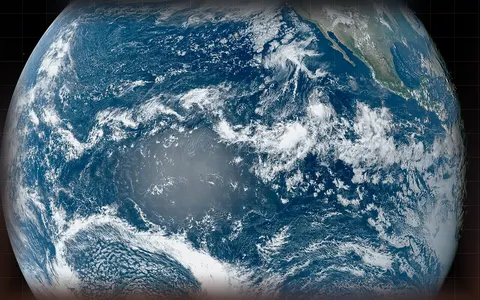
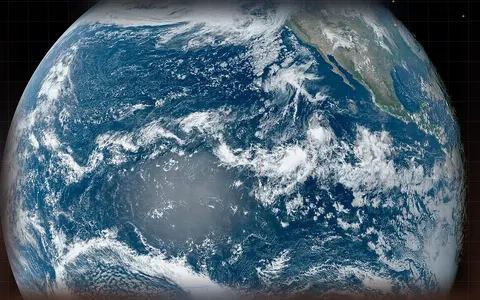
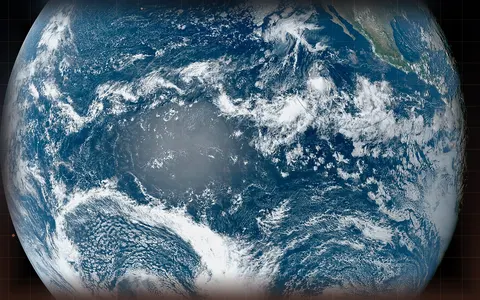
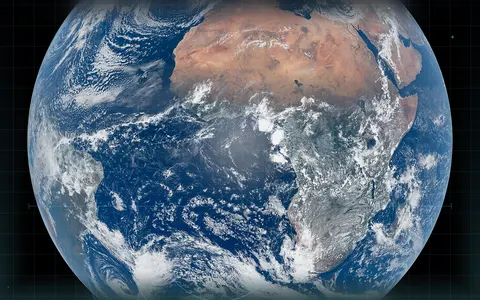
Our ocean world, measured by mean diameter — the anchor for familiar planetary comparisons.
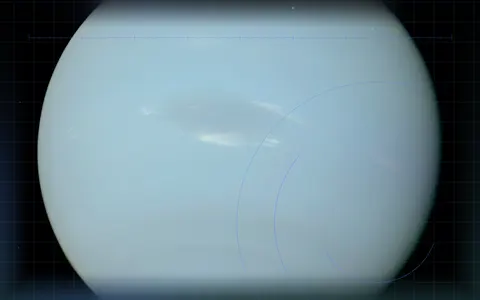
A distant ice giant with the fastest known planetary winds in the solar system.
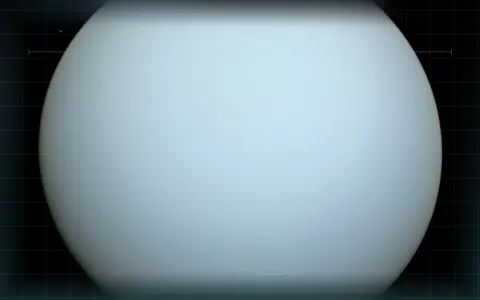
An ice giant rotating on its side, surrounded by faint rings and many moons.
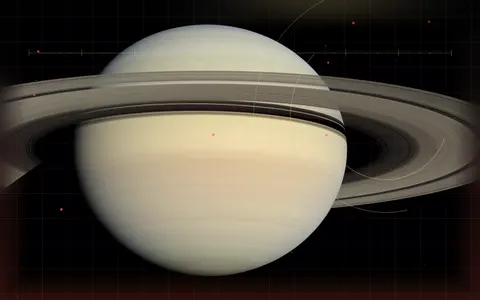
A gas giant whose spectacular rings are broad but astonishingly thin.
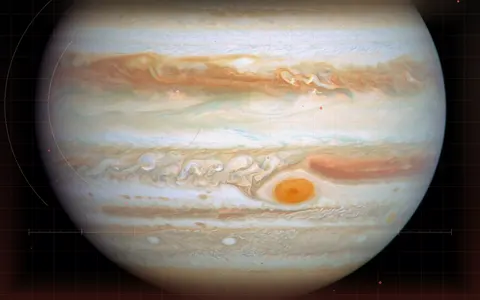
The largest planet, with storms and cloud bands wrapped around a rapidly rotating globe.
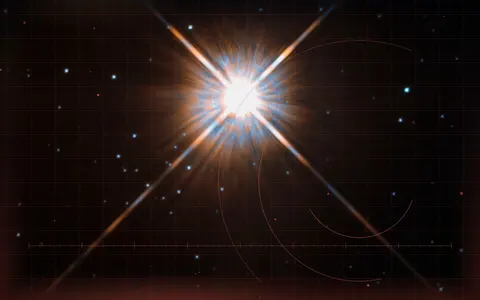
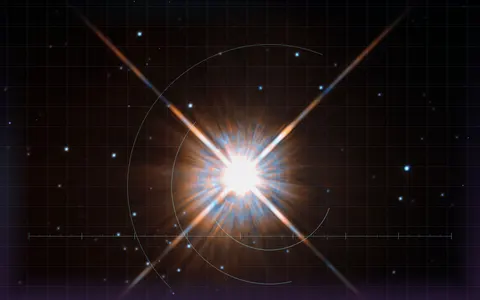
The nearest known star to the Sun is a cool red dwarf only modestly larger than Jupiter.
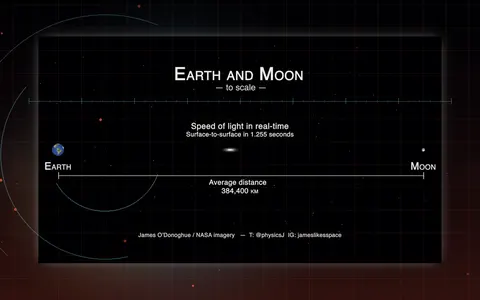
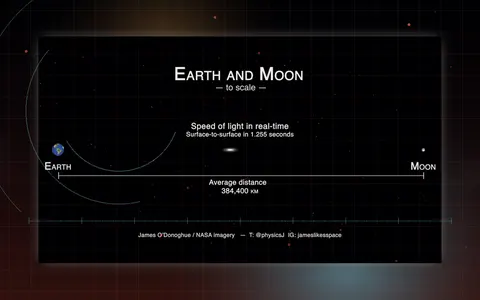
The distance light covers in exactly one second in vacuum.
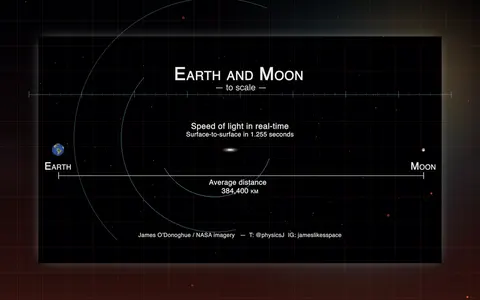
The average centre-to-centre distance separating Earth and the Moon.
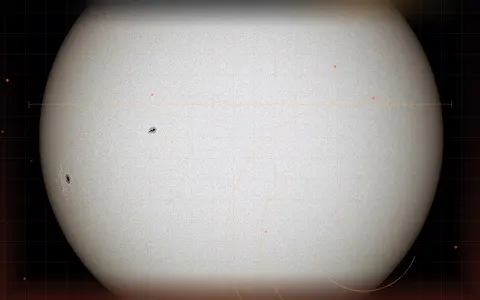
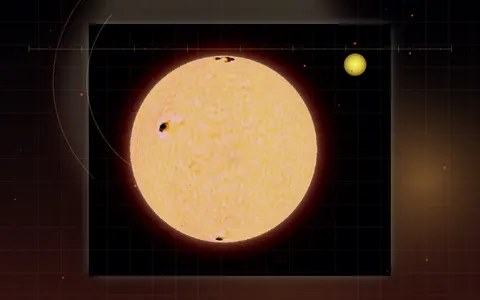
The star containing almost all the solar system’s mass and powering nearly every surface ecosystem.
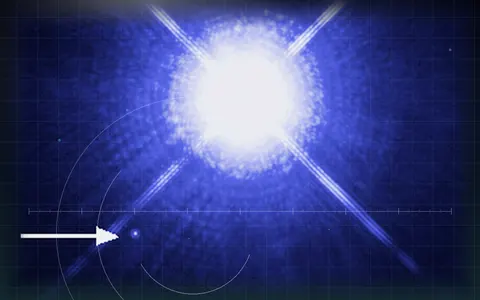
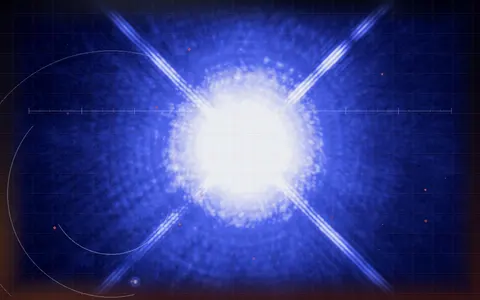
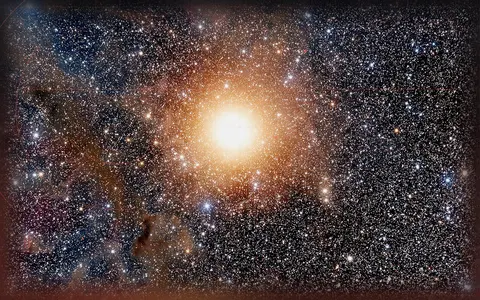
The brightest star in Earth’s night sky is larger, hotter and more luminous than the Sun.
An orange giant star that shows how dramatically stars expand after core hydrogen runs low.
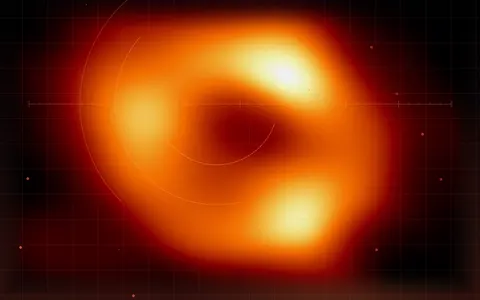
The Milky Way’s central black hole has millions of solar masses inside an event horizon smaller than Mercury’s orbit.
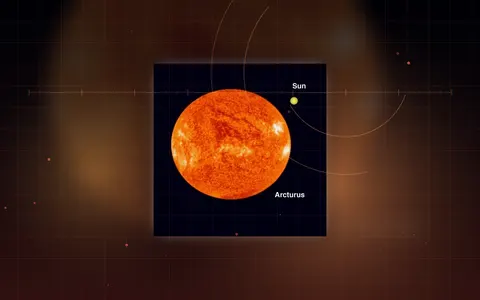
A nearby orange giant whose swollen surface dwarfs the Sun.
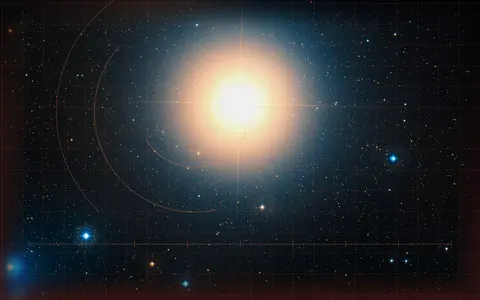
The orange eye of Taurus is a giant star with a broad, diffuse visible boundary.
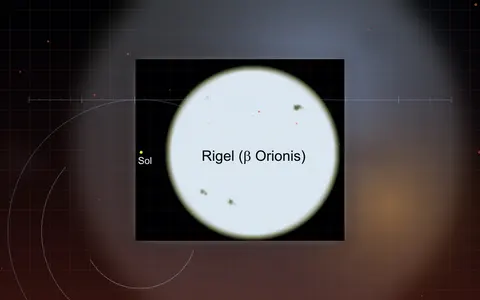
A blue supergiant burning with extreme luminosity and a vast stellar surface.
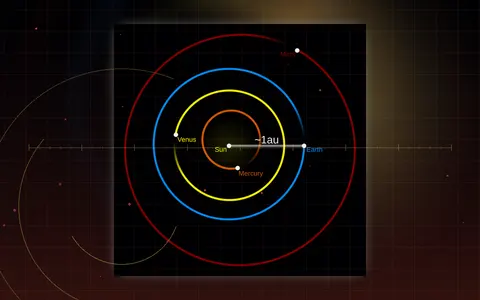
The conventional distance unit based on Earth’s average separation from the Sun.
A pulsating red supergiant with a surface so diffuse that its quoted diameter changes with wavelength and time.
The distance light crosses during one hour in vacuum.
An extreme red hypergiant surrounded by material it has expelled into space.
The broad diameter of Neptune’s orbit reveals how empty a planetary system really is.
Pluto’s elongated orbit widens the familiar planetary system beyond Neptune.
The enormous distance light covers during one Earth day.
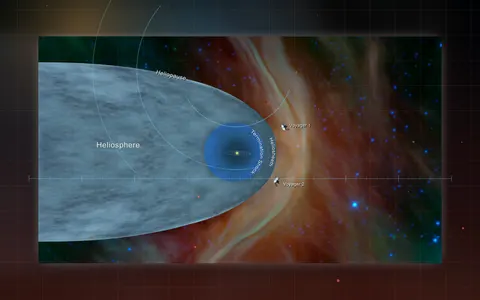
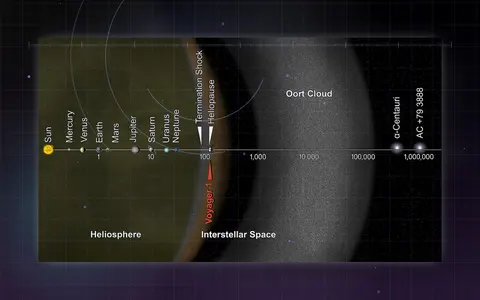
The solar wind inflates a vast, asymmetric bubble inside the surrounding interstellar medium.
A supermassive black hole whose event-horizon scale rivals the width of the heliosphere.
The standard interstellar distance unit: how far light travels in one year through vacuum.
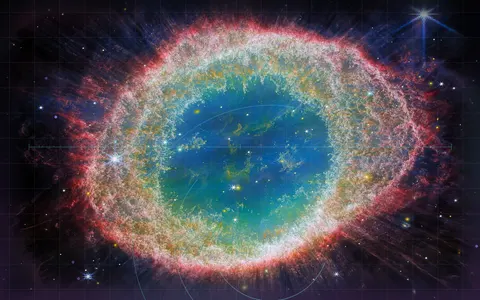
A glowing shell expelled by a dying Sun-like star, seen nearly along its central axis.
A hypothetical distant reservoir of icy bodies surrounding the planetary system.
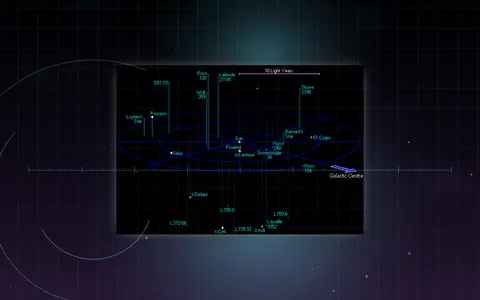
The gap between the Sun and the nearest known star beyond it.
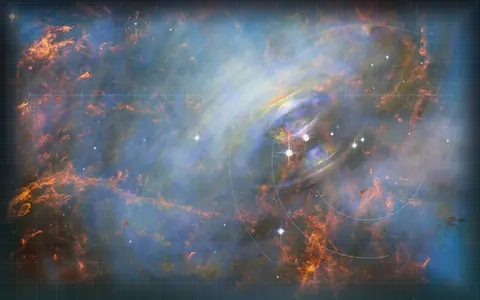
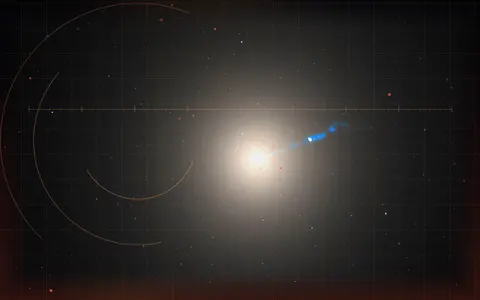
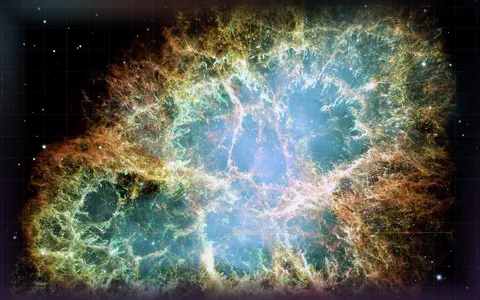
The expanding remains of a supernova observed from Earth in the year 1054.
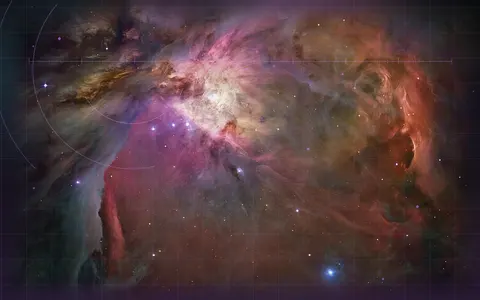
A nearby stellar nursery where gas, dust and newborn stars reshape one another.
A star-forming region famous for the Pillars of Creation.
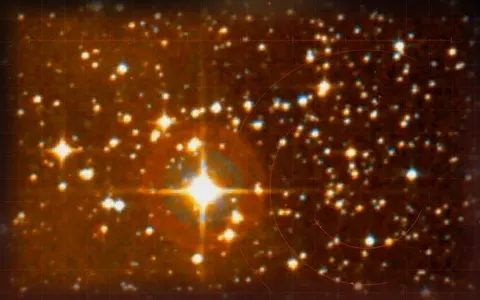
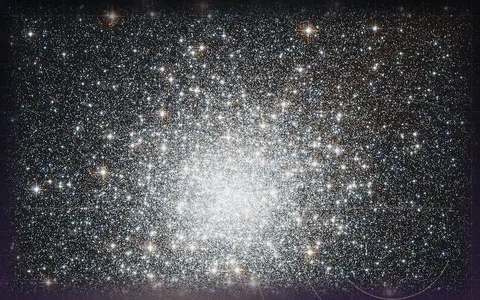
A dense, ancient swarm containing hundreds of thousands of stars in a roughly spherical volume.
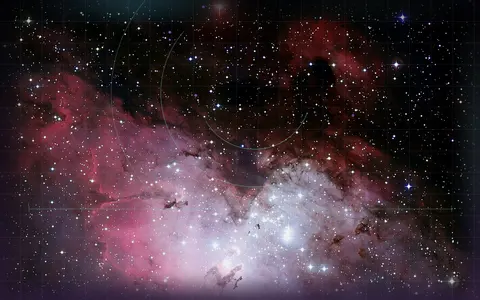
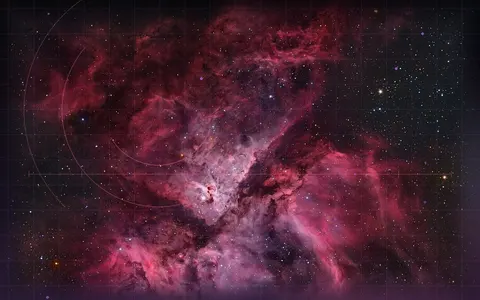
A vast star-forming complex filled with massive young stars, dust lanes and glowing gas.
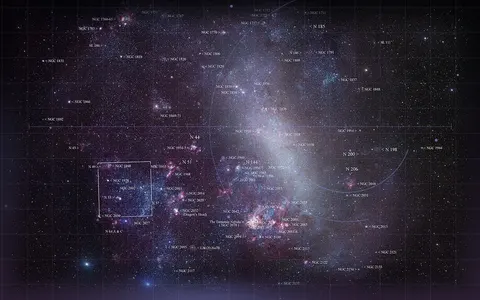
A nearby dwarf galaxy orbiting the Milky Way and visible from southern skies.
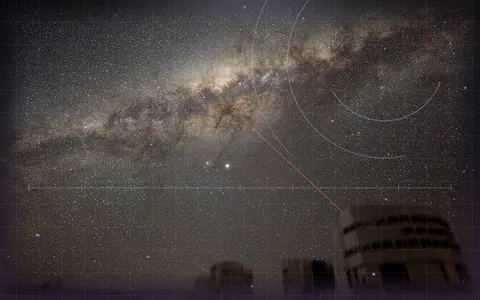
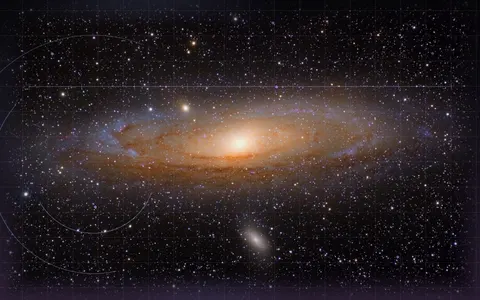
Our barred spiral galaxy, containing the Sun and hundreds of billions of stars.
The nearest large spiral galaxy, approaching the Milky Way within the Local Group.
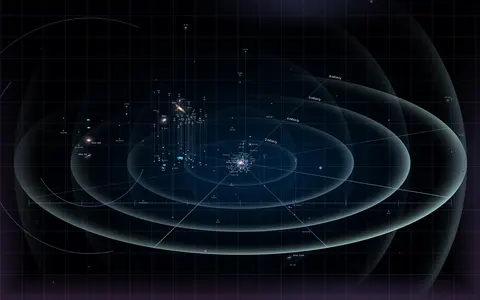
A gravitational neighbourhood containing the Milky Way, Andromeda and dozens of smaller galaxies.
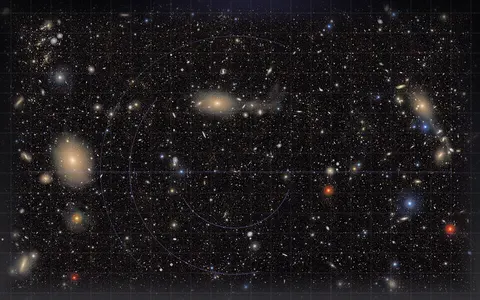
The nearest major galaxy cluster, crowded with thousands of galaxies and hot intracluster gas.
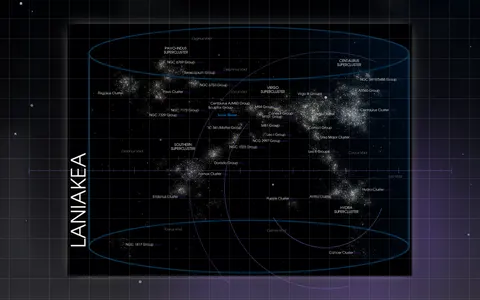
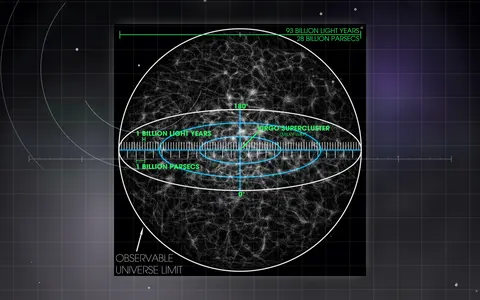
A vast basin of galactic motion that includes the Milky Way and the Virgo Cluster.
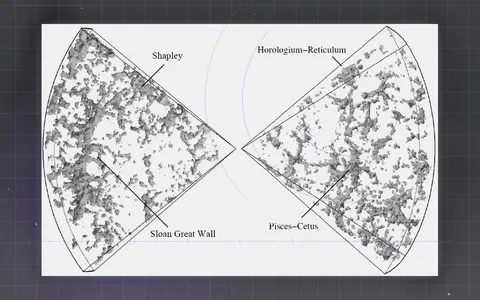
A colossal arrangement of galaxy clusters and filaments discovered in large redshift surveys.
The present-day diameter of the region whose light or descendants can in principle reach us.
Try a broader word such as “star”, “ocean”, “cell” or “distance”.
Scientific integrity
Vastoscope distinguishes defined constants, measured dimensions, representative values, variable boundaries and model-dependent cosmic extents.
Read the full method